You are here:Home » News » What Is A Mini CNC Router? Uses, Sizes, Materials And Buying Tips
What Is A Mini CNC Router? Uses, Sizes, Materials And Buying Tips
Views: 0 Author: Site Editor Publish Time: 2026-07-21 Origin: Site
Ever dreamed of shaping precision parts right from your own desk?
Industrial factory floors are shifting to compact garage workshops.
This amazing desktop revolution democratizes precision manufacturing for everyone.
Yet, traditional industrial CNC machinery remains massive and loud.
Worse, it is prohibitively expensive for passionate hobbyists.
Small businesses and makers struggle to afford them.
Fortunately, the compact mini CNC router has emerged.
It offers a space-saving, highly precise alternative.
Industry pioneers like Zhonghuajiang lead this accessible movement.
In this guide, you will learn everything.
We cover definitions, sizes, materials, and expert buying tips.
Demystifying the Mini CNC Router: Definition and Core Mechanics
What Is a Mini CNC Router?
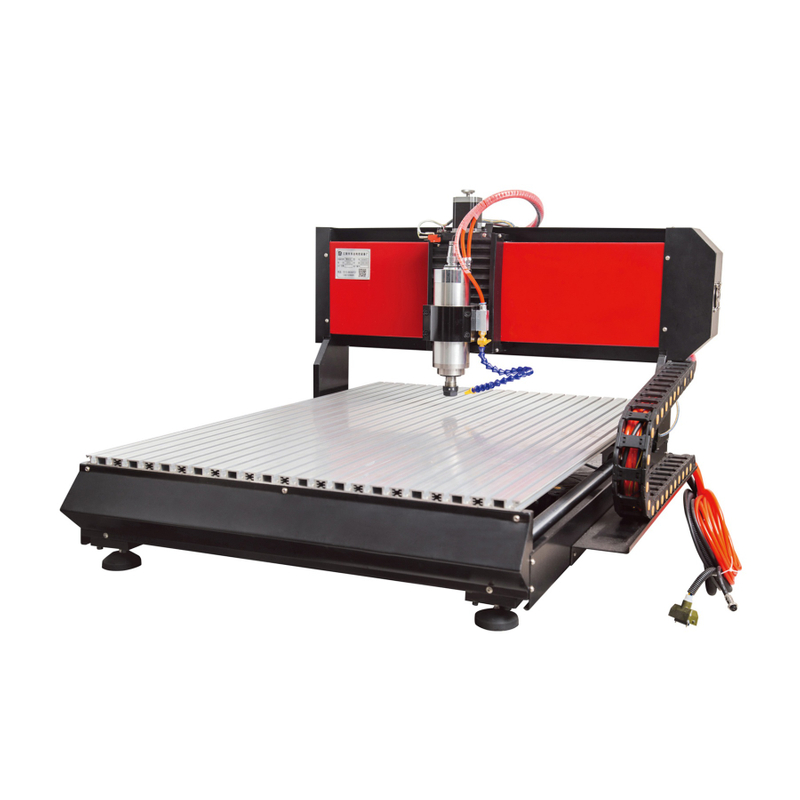
Let us break down what a mini CNC router actually is without the complex industrial jargon. Think of it as a compact, computer-controlled milling and engraving machine built for your workbench. In the manufacturing world, we classify it as a highly precise tool designed for small-batch processing, engineering prototyping, and light commercial work. People also call it a desktop, benchtop, or hobby CNC router because it fits easily into small creative spaces.
The entire system relies on a seamless digital ecosystem to bring your physical designs to life. Your computer acts as the brain, holding your digital design files like CAD, CAM, or G-code. It sends these instructions to the machine's controller, which serves as the electronic nervous system. The controller instantly translates digital data into physical movements, directing automated cutting, drilling, and milling actions with extreme accuracy.
Operational Component
Primary Role in Ecosystem
Digital/Physical Form
The Computer (Brain)
Stores design files and calculates paths
CAD / CAM / G-code software
The Controller (Nervous System)
Interprets digital signals into electrical power
Electronic circuit board
The Mechanical Body
Executes physical cutting and milling paths
Axes, spindles, and frame
Anatomical Breakdown: The Anatomy of a Benchtop Machine
To understand its true value, we must look closely at how a premium desktop machine is constructed. The foundation requires a rigid machine frame to handle physical cutting forces. High-quality models standardize on industrial-grade 6061 T5 aluminum alloy framing because it minimizes structural vibration during deep cuts. This heavy metal skeleton is vital because it guarantees a consistent positioning accuracy within 0.03–0.05mm for your workpieces.
The cutting power depends completely on the spindle motor and its supporting VFD inverter setup. Experienced builders know that mixing random electrical parts often causes critical machine-to-power compatibility errors. To solve this, the Zhonghuajiang ecosystem pairs their patented, self-developed air-cooled or water-cooled spindles directly with matched VFD inverters. This factory-matched hardware ensures clean power delivery, stable speeds, and zero component conflicts during long production runs.
High precision also requires a premium drive transmission system and accurate axis motion controls. Cheap machines use flimsy belts, but professional mini routers utilize zero-backlash precision ball screws with 12mm or 16mm diameters. This advanced transmission configuration eliminates physical play and easily outperforms low-cost alternative mechanisms.
●Micro-Stepper Motors: They drive the physical X, Y, and Z-axis travels by receiving precise step signals from the controller.
●Zero Backlash Hardware: Pre-loaded ball nuts grip the precision ball screws tightly, stopping any unwanted table drifting.
●Step Loss Prevention: The coordinated system ensures the cutting tool never loses its exact positioning steps during complex 3D carving runs.
What Can You Do With a Mini CNC Router? High-Value Application Uses
Hobbyist Creations & Personalized DIY Projects
Many people start their journey with a mini CNC router just to bring personal ideas to life in a home workshop. You can easily craft gorgeous custom giftware, custom wooden ornaments, and clear acrylic artworks for friends. The machine also handles decorative signed advertising and intricate leather embossing with extreme precision. It gives your home projects a clean, professional finish that manual crafting simply cannot match.
Beyond basic crafts, these benchtop units excel at highly detailed model making tasks. Budding architects and model enthusiasts use them to build intricate wooden architectural models and realistic sand table layouts. You can cut precise hobbyist components from thin plywood or plastic sheets repeatedly. The system handles miniature interlocking parts perfectly, making complex assemblies much easier to build.
Educational Prototyping & Student Maker Labs
Schools and universities deploy these compact machines to give students real-world engineering experience. Young designers use them for accelerating the creation of functional mechanical models during design projects. They can perform clean plastic part trimming on molded components quickly. This hands-on process teaches students how digital CAD designs translate into physical parts.
Application Area
Primary Materials Used
Typical Student Projects
Mechanical Prototyping
Nylon, HDPE, Acrylic, PVC
Functional gears, link arms, custom casings
Electronics Labs
Fiberglass boards, Thin Aluminum
Custom PCB traces, instrument panels
Architectural Design
Balsa wood, MDF, Foam board
Scale building structures, terrain maps
Electronics fabrication is another major highlight for modern STEM education labs. Students achieve precision milling of custom fiberglass circuit board traces right on their tabletops. The machine carves clean paths and handles electronic chassis panel openings without messy chemical etching. It offers a safer, faster way to test circuit prototypes before mass production.
Profitable Streams for Small Handicraft Businesses
If you want to turn a profit, a small automated machine opens up great commercial opportunities. Small shops use them for commercial sign-making and high-margin local branding services. You can scale up production on custom letters, badges, seals, and wooden nameplates. Making promotional logos on demand allows you to charge premium prices while keeping your operation costs low.
●Blank Cutting: You can cut uniform metal or wooden blanks for custom jewelry pieces rapidly.
●3D Engraving: The machine etches detailed three-dimensional patterns onto high-value artisanal pieces like custom boxes.
Adding specialized accessories expands your business capabilities even further. Small businesses can deploy an optional 4-axis rotary axis accessory from brands like Zhonghuajiang to unlock new product lines. This setup executes flawless cylindrical carvings on round workpieces automatically. You can produce custom wooden pen blanks and round ornaments for holiday shoppers effortlessly.
Material Compatibility — What Can a Small-Format CNC Router Cut?
Non-Metals and Wood-Based Composites (Universal Compatibility)
If you are wondering what a mini CNC router can actually cut, the answer is surprisingly broad. Most owners start with wood because it is the easiest material to master in a small shop. You can process everything from lightweight softwoods like pine and cedar to dense solid hardwoods like walnut, oak, cherry, and basswood. These compact machines also glide right through structural composite panels. They make clean, repetitive cuts in standard MDF and plywood sheets without breaking a sweat.
Plastics and acrylics represent another massive category where these desktop systems excel. You can easily achieve clean, burr-free engraving and deep profiling on transparent acrylic plates and rigid PVC boards. They also slice smoothly through tough industrial plastics. They handle materials like nylon, specialized resin boards, and high-density polyethylene (HDPE) with absolute ease.
Moving beyond standard materials opens up highly specialized processing opportunities for your workshop. For example, these rigid machines can handle tough fiberglass and synthetic composites. You can cut specialized carbon fiber sheets, carve slick plexiglass, or execute precise graphite block carving. It also handles PCB fiberglass substrates beautifully. You can mill custom electronic circuit traces directly on your desk without mess.
Flexible textiles represent another unique material frontier you can explore with your machine. It handles clean cutting and detail engraving on thick leather sheets effortlessly. You can engrave custom logos onto wallets, belts, or industrial leather patches. The spindle maintains consistent depth across the flexible surface. This control prevents tearing and ensures clean edges every single time.
Breaking the Metal Barrier: Soft Metal Processing Capabilities
Many beginners believe small machines cannot handle metal, but we can easily shatter that myth today. You do not need a giant industrial milling machine to shape non-ferrous metals. Mid-to-high power desktop CNC models handle thin aluminum alloy chassis, brass blanks, and copper sheet milling. You just need to configure the right cutting variables to ensure smooth operation.
●Spindle Power Requirements: You must use a machine with a beefier spindle motor rated between 800W and 2200W. Brands like Zhonghuajiang build these high-frequency spindles specifically to maintain stable torque under metal-cutting loads.
●Appropriate Feed Rates: Dialing back your physical travel speeds prevents the cutting bit from binding or breaking. Taking shallow, fast passes works much better than forcing a single deep cut through hard metal.
●Carbide Router Bits: Standard woodworking bits will dull instantly on metal surfaces. You must use solid carbide router bits because they withstand the high friction and heat.
The Ultimate Buying Guide — How to Choose the Right Mini CNC Router
Sizing and Power Configuration Secrets
Choosing a mini CNC router requires matching the machine dimensions with your project scale. You should evaluate the largest workpiece dimension you intend to run in your workshop. It is vital to budget extra room on your table bed for holding fixtures, vises, and heavy clamping kits. Buying a tight frame limits your future upgrades and business expansion opportunities.
Your material list dictates the amount of spindle power your machine will require. Low-power spindles (60W–300W) run silently at high speeds while using very little energy. They are perfect for special fine workpieces like seals, badges, plastics, and PCB carving, though they struggle with thick cuts. High-power spindles (800W–2200W) handle powerful, continuous cutting depths, three-dimensional reliefs, and thick hardwoods or soft non-ferrous metals.
Spindle Power Class
Best Material Matches
Recommended Applications
60W – 300W Low-Power
Acrylic, PVC, circuit boards, thin soft plastics
Fine badge engraving, custom PCB prototyping, seals
3D wood reliefs, commercial signs, soft metal milling
Control Systems and Cooling Dynamics
Your control method choice directly impacts your daily programming and operating workflow. Open-source computer control like GRBL paired with Candle software has an extremely low operation threshold and minimal cost. It is highly recommended for beginners because you can easily upgrade it later with standalone offline controllers. Professional controller systems like MACH3 provide rich processing features, industrial-grade data reliability, and high precision for commercial work.
Alternatively, standalone USB data transmission systems utilize single-chip microcomputers or 32M+ flash controllers to boost workshop efficiency. They let you safely unplug your PC entirely while the machine runs autonomously. Next, you must compare spindle cooling dynamics based on your daily production habits. Air-cooled spindle systems feature low ambient noise and require zero water pump or plumbing maintenance. Water-cooled spindle systems keep operational temperatures exceptionally low during punishing workloads, extending the internal bearing lifecycle over long-hour production runs.
Overcoming Software Hurdles and Maximizing Accuracy
Many people hesitate to buy because they fear complex programming and code languages. We can easily demystify this common G-code anxiety right now. Modern CAM software and built-in design "wizards" generate cut paths automatically without manual coding. You can master basic 2D toolpaths and start running projects in just one week.
●Repeatable Performance: Manual machines suffer from human error and costly dimensional inconsistencies. High-quality mini routers guarantee every single part comes off the bed perfectly within tolerance.
●Guide Rail Design: Small budget formats utilize circular tracks effectively for lightweight crafts. Heavy-duty desktop platforms demand imported square rails that expand load capacity and high-speed precision by up to 30 times.
●Ready-to-Run Packages: Prioritize complete kits bundling the machine with ER collets, cutting bits, fixing clamps, and universal 110V/220V voltage compatibility.
Safety regulations and warranty support should guide your final hardware investment decision. Trusted global brands like Huajiang back their machinery with an official 1-year warranty for peace of mind. Their manufacturing lines carry full CE and ISO9001 quality certifications. Choosing a brand with real international safety backing protects your business and guarantees accessible technical support.
Conclusion
Without in-house automation, small shops suffer from high prices.
Join us as an exclusive distributor of CNC Router Machines and CNC Spindle Motors. As a professional manufacturer, we provide high-performance machines, attractive profit margins, technical training, and full marketing support. Build a strong partnership with us and expand your market with confidence.


 English
 简体中文
简体中文 繁體中文
繁體中文 العربية
 Français
 Русский
 Español
 Português
 Deutsch
 italiano
 日本語
日本語 한국어
한국어 Nederlands
 Tiếng Việt
 ไทย
ไทย Polski
 Türkçe
 አማርኛ
አማርኛ ພາສາລາວ
 ភាសាខ្មែរ
 Bahasa Melayu
 ဗမာစာ
ဗမာစာ தமிழ்
தமிழ் Filipino
 Bahasa Indonesia
 magyar
 Română
 Čeština
 Монгол
 қазақ
қазақ Српски
 हिन्दी
 فارسی
فارسی Kiswahili
 Slovenčina
 Slovenščina
 Norsk
Norsk Svenska
 українська
 Ελληνικά
 Suomi
Suomi Հայերեն
 עברית
עברית Latine
 Dansk
Dansk اردو
اردو Shqip
Shqip বাংলা
বাংলা Hrvatski
 Afrikaans
 Gaeilge
 Eesti keel
 Māori
Māori සිංහල
සිංහල नेपाली
 Oʻzbekcha
 latviešu
 অসমীয়া
 Aymara
 Azərbaycan dili
 Bamanankan
 Euskara
 Беларуская мова
 भोजपुरी
 Bosanski
 Български
 Català
 Cebuano
 Corsu
Corsu ދިވެހި
 डोग्रिड ने दी
 Esperanto
 Eʋegbe
 Frysk
Frysk Galego
 ქართული
 guarani
 ગુજરાતી
 Kreyòl ayisyen
 Hausa
Hausa ʻŌlelo Hawaiʻi
 Hmoob
Hmoob íslenska
 Igbo
Igbo Ilocano
 Basa Jawa
 ಕನ್ನಡ
ಕನ್ನಡ Kinyarwanda
 गोंगेन हें नांव
 Krio we dɛn kɔl Krio
 Kurdî
Kurdî Kurdî
Kurdî Кыргызча
 Lingala
 Lietuvių
 Oluganda
 Lëtzebuergesch
 Македонски
 मैथिली
 Malagasy
 മലയാളം
 Malti
Malti मराठी
मराठी ꯃꯦꯇꯥꯏ (ꯃꯅꯤꯄꯨꯔꯤ) ꯴.
 Mizo tawng
 Chichewa
 ଓଡ଼ିଆ
ଓଡ଼ିଆ Afaan Oromoo
 پښتو
پښتو ਪੰਜਾਬੀ
 Runasimi
 Gagana Samoa
 संस्कृत
 Gaelo Albannach
 Sepeti
 Sesotho
 chiShona
 سنڌي
سنڌي Soomaali
 Basa Sunda
 Wikang Tagalog
 Тоҷикӣ
 Татарча
 తెలుగు
 ትግንያውያን
 Xitsonga
 Türkmençe
 संस्कृत
 ئۇيغۇرچە
 Cymraeg
 isiXhosa
 ייִדיש
 Yorùbá
 isiZulu