Introduction
CNC machines are the backbone of modern manufacturing. From automotive parts to aerospace components and even everyday consumer products, these machines quietly work behind the scenes, cutting, drilling, milling, and shaping materials with incredible precision. But let’s be honest—no matter how advanced a CNC machine is, it’s not immune to problems. Anyone who’s spent time on a shop floor knows that CNC issues don’t just slow production; they can bring everything to a grinding halt.
Think of a CNC machine like a high-performance car. When everything runs smoothly, it’s fast, precise, and reliable. But one loose wire, a dull tool, or a tiny programming mistake can cause major headaches. Downtime costs money, scrap parts waste materials, and repeated errors can damage both the machine and your reputation with customers. That’s why understanding common CNC machine problems—and more importantly, how to fix them—is essential for operators, technicians, and shop owners alike.
In this article, we’ll walk through the most common CNC machine problems you’re likely to encounter and provide practical, real-world solutions. This isn’t just theory. These are issues faced daily in machine shops around the world. Whether you’re a seasoned machinist or just getting started with CNC operations, this guide will help you diagnose problems faster, reduce downtime, and keep your machines running smoothly.
Let’s dive in and break down these issues step by step, starting with one of the most overlooked yet critical areas: power supply and electrical problems.
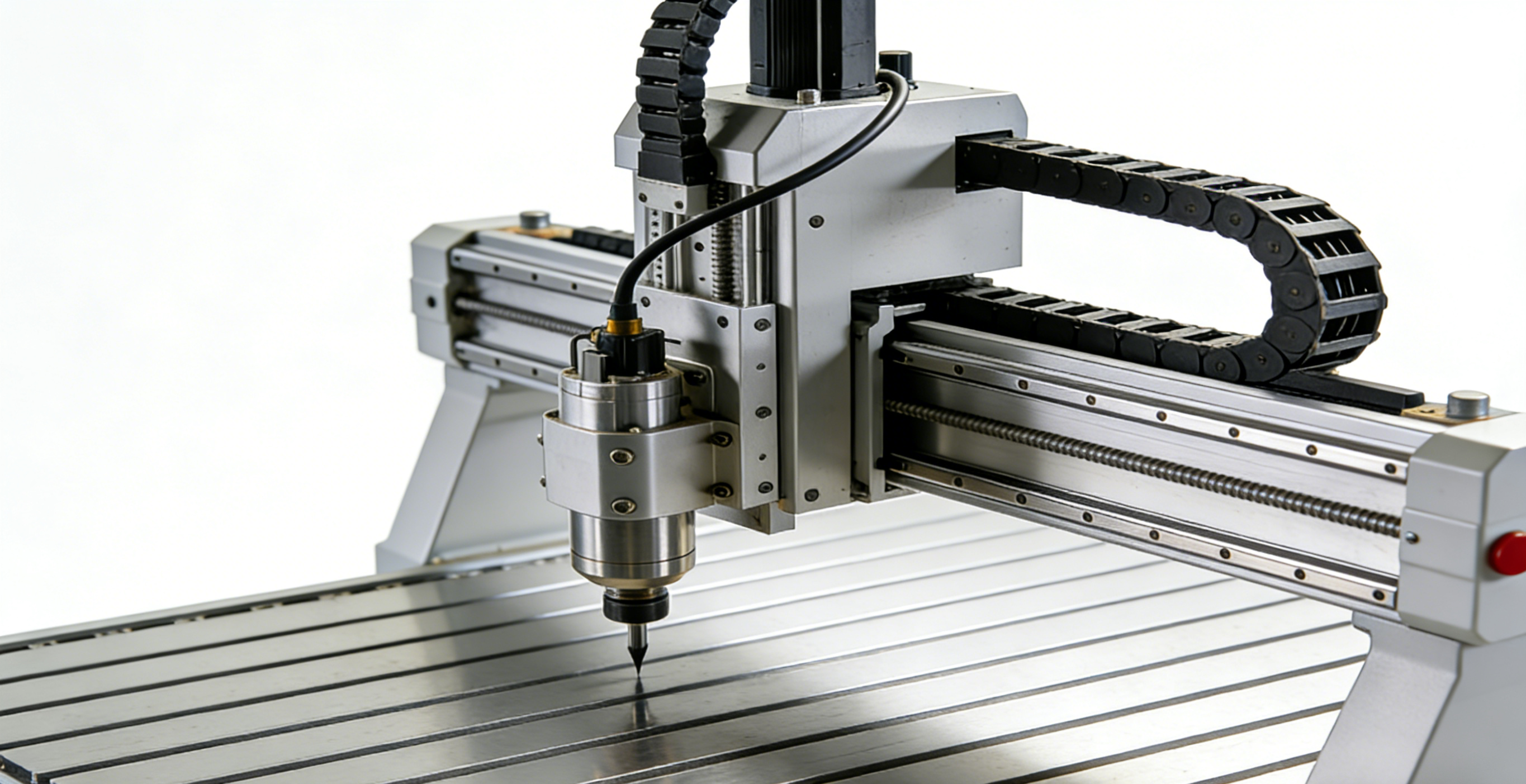
1. Power Supply and Electrical Issues
Power and electrical systems are the nervous system of a CNC machine. When electricity flows smoothly, everything communicates properly—from the control panel to the servo motors. But when electrical issues arise, the results can be unpredictable and frustrating. Many CNC machine problems that seem “mechanical” at first actually stem from electrical faults hiding in plain sight.
1.1 Inconsistent Power Supply
An inconsistent or unstable power supply is one of the most common and damaging issues in CNC machining. Voltage fluctuations, sudden power drops, or power surges can cause the machine to reset unexpectedly, freeze mid-operation, or throw random alarm codes. Imagine machining a high-precision part, only to have the machine shut down halfway through because of a voltage dip. Not only is the part likely scrapped, but the machine itself may suffer long-term damage.
Solutions:
Install a voltage stabilizer or power conditioner to ensure consistent power delivery.
Use an uninterruptible power supply (UPS) for the CNC controller to protect against sudden shutdowns.
Regularly monitor incoming voltage and compare it with the machine’s specifications.
Work with a qualified electrician to ensure the facility’s power infrastructure can handle CNC loads.
1.2 Faulty Wiring and Loose Connections
Loose wires, damaged cables, or poor grounding can cause intermittent faults that are extremely difficult to diagnose. One day the machine works fine; the next day, it throws errors for no obvious reason. Over time, vibration from machine operation can loosen connections, especially in older machines.
Solutions:
Perform routine electrical inspections and tighten all terminal connections.
Replace worn or damaged cables immediately.
Ensure proper grounding to prevent electrical noise and signal interference.
Label wires clearly to make troubleshooting faster and more accurate.
1.3 Control Panel and PLC Errors
The control panel and PLC (Programmable Logic Controller) act as the brain of the CNC machine. When something goes wrong here, the machine may behave erratically—ignoring commands, stopping mid-cycle, or displaying cryptic alarm messages. These issues often result from software glitches, electrical noise, or aging components.
Solutions:
Reset the system and check for error logs to identify recurring issues.
Update control software and firmware when recommended by the manufacturer.
Keep control cabinets clean and free from dust, oil, and moisture.
Consult the machine manual or manufacturer support for specific PLC error codes.
Electrical issues may not be as visible as broken tools or worn bearings, but they’re just as critical. Addressing them early can prevent a cascade of more serious problems down the line.
2. Spindle-Related Problems
The spindle is the heart of any CNC machine. It’s responsible for rotating the cutting tool at precise speeds and maintaining stability during machining. When spindle problems occur, machining quality drops instantly. Surface finishes suffer, tools wear faster, and in severe cases, production must stop entirely. Understanding spindle-related issues can save both time and expensive repairs.
2.1 Spindle Overheating
Spindle overheating is a red flag that should never be ignored. Excessive heat can damage bearings, reduce lubrication effectiveness, and ultimately lead to spindle failure. Common causes include inadequate cooling, excessive cutting loads, or worn bearings.
Solutions:
Check the spindle cooling system regularly, whether it’s air-cooled or liquid-cooled.
Reduce cutting speeds and feeds if they exceed recommended limits.
Ensure proper lubrication of spindle bearings.
Schedule regular spindle health checks to detect early signs of wear.
2.2 Excessive Spindle Noise
Unusual noises—grinding, whining, or rattling—are often early warnings of spindle trouble. These sounds usually indicate bearing damage, imbalance, or misalignment. Ignoring them is like ignoring a strange noise in your car engine; it rarely ends well.
Solutions:
Stop the machine immediately when abnormal noise is detected.
Inspect bearings and replace them if necessary.
Check tool balance and ensure proper installation.
Verify spindle alignment according to manufacturer specifications.
2.3 Spindle Runout Issues
Spindle runout refers to the slight deviation of the spindle’s rotation from its true center. Even a small amount of runout can cause poor surface finish, tool breakage, and dimensional inaccuracies. This issue is especially critical in high-precision machining.
Solutions:
Measure spindle runout using a dial indicator.
Clean spindle tapers and tool holders thoroughly.
Replace worn tool holders or damaged spindle components.
Avoid overtightening tools, which can distort the taper.
2.4 Spindle Motor Failure
The spindle motor provides the power needed for cutting operations. When it fails, the machine becomes useless. Motor failure can result from overheating, electrical faults, or prolonged overloading.
Solutions:
Monitor motor temperature and load parameters.
Ensure proper ventilation around the motor.
Address electrical issues promptly to prevent damage.
Follow manufacturer guidelines for motor maintenance and replacement intervals.
Spindle problems are often costly, but early detection and proper maintenance can extend spindle life significantly.
3. Tooling and Tool Holder Problems
Tooling issues are among the most common—and most underestimated—problems in CNC machining. A CNC machine can be perfectly calibrated, programmed flawlessly, and powered reliably, but if the tooling setup is wrong, the final result will still be poor. Tools are the direct point of contact with the material, so even minor issues here can snowball into scrap parts, broken tools, and damaged machines.
3.1 Tool Wear and Breakage
Tool wear is inevitable, but unmanaged tool wear is a problem waiting to happen. Over time, cutting edges dull due to friction, heat, and material hardness. If tools are pushed beyond their limits, they can chip or break suddenly, potentially damaging the workpiece or even the spindle.
Solutions:
Implement a tool life management system to track usage hours.
Replace tools before they reach the end of their effective life.
Use the correct cutting parameters for each material.
Inspect tools regularly for signs of chipping, discoloration, or edge rounding.
3.2 Improper Tool Installation
Improperly installed tools can cause vibration, poor surface finish, and inaccurate cuts. Sometimes the issue is as simple as debris in the tool holder or incorrect tightening torque, but the consequences can be serious.
Solutions:
Clean tool holders and spindle tapers before installing tools.
Use torque wrenches to tighten tools according to specifications.
Double-check tool length offsets after installation.
Avoid mixing incompatible tool holders and spindles.
3.3 Tool Holder Runout
Tool holder runout occurs when the tool does not rotate perfectly around its centerline. This leads to uneven cutting forces, accelerated tool wear, and poor dimensional accuracy. High-speed machining is particularly sensitive to runout issues.
Solutions:
Use high-quality, balanced tool holders.
Measure runout regularly using a dial indicator.
Replace worn or damaged holders immediately.
Store tool holders properly to prevent accidental damage.
3.4 Incorrect Tool Selection
Using the wrong tool for the job is like using a butter knife to cut wood—it’s inefficient and risky. Incorrect tool geometry, coating, or material can drastically reduce machining performance.
Solutions:
Match tool material and coating to the workpiece material.
Choose the correct tool geometry for the operation.
Consult tooling manufacturer recommendations.
Avoid “one-tool-fits-all” approaches for complex jobs.
4. Axis and Motion Control Problems
Axis and motion control systems ensure the CNC machine moves precisely where it’s supposed to. Any issues here directly affect accuracy, repeatability, and surface quality. These problems often develop gradually, making them easy to overlook until they become severe.
4.1 Axis Misalignment
Axis misalignment can cause dimensional inaccuracies and uneven wear on machine components. It often results from mechanical wear, improper installation, or machine crashes.
Solutions:
Perform regular axis alignment checks.
Recalibrate the machine after any major maintenance or crash.
Follow manufacturer alignment procedures strictly.
Address minor alignment issues before they worsen.
4.2 Ball Screw Wear and Damage
Ball screws convert rotational motion into linear motion. Over time, they wear out due to friction, contamination, or lack of lubrication. Worn ball screws lead to backlash and positioning errors.
Solutions:
Lubricate ball screws according to maintenance schedules.
Keep protective covers intact to prevent contamination.
Measure backlash periodically and compensate if necessary.
Replace worn ball screws before accuracy degrades significantly.
4.3 Servo Motor Errors
Servo motors control axis movement and positioning. Errors can cause jerky motion, positioning faults, or complete axis failure. These issues often stem from encoder problems, wiring faults, or parameter mismatches.
Solutions:
Check servo alarms and error codes promptly.
Inspect encoders and cables for damage.
Verify servo parameters match machine specifications.
Test motors under load to detect early issues.
4.4 Linear Guideway Problems
Linear guideways support smooth axis movement. Contamination, lack of lubrication, or mechanical damage can cause stiffness, noise, and positioning errors.
Solutions:
Clean guideways regularly.
Maintain proper lubrication.
Replace damaged guide blocks promptly.
Protect guideways from chips and coolant intrusion.
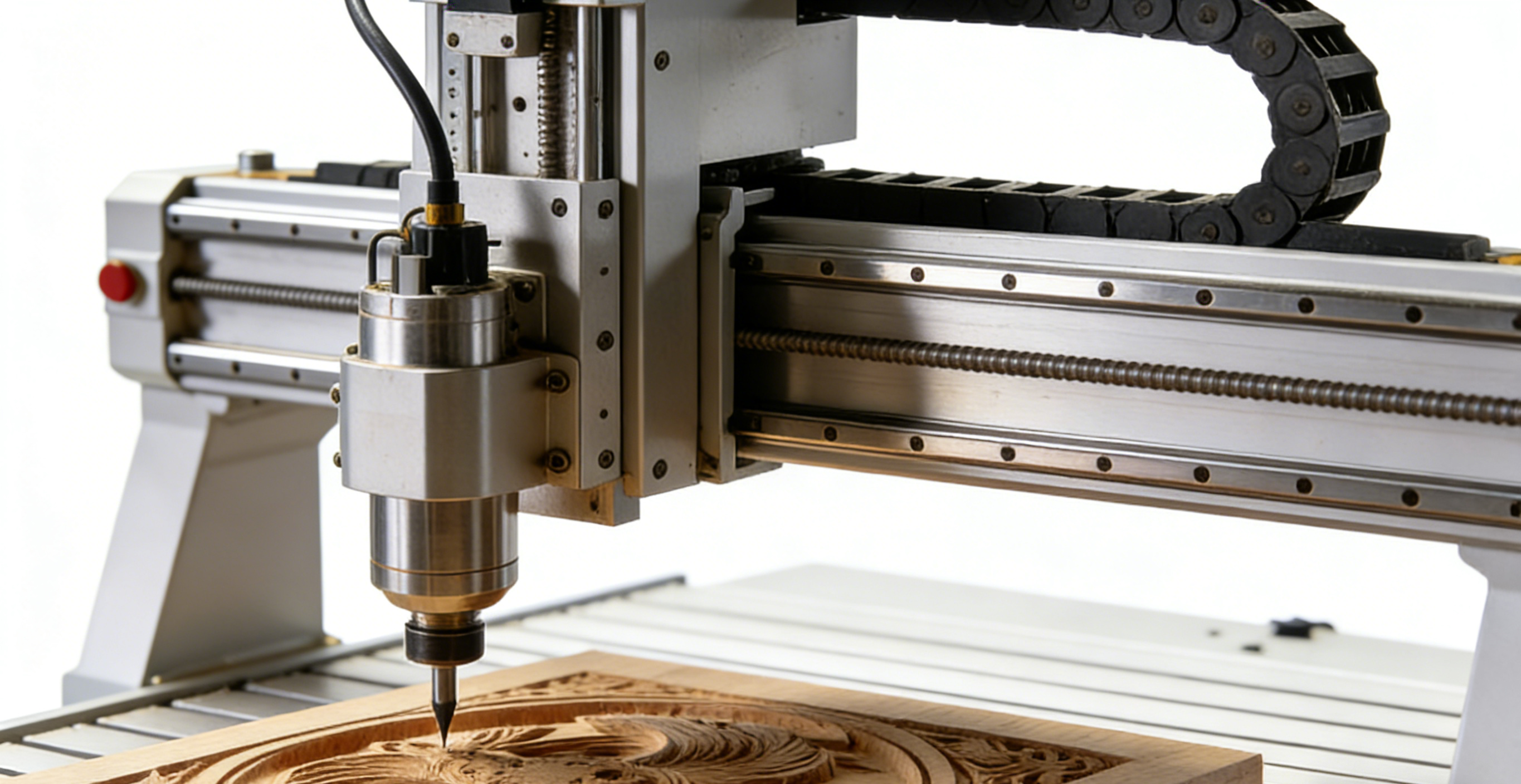
5. CNC Programming Errors
Even the best machine can’t compensate for poor programming. CNC programming errors are a major cause of scrap, crashes, and wasted time. These issues are often human-related, making training and verification critical.
5.1 Incorrect G-Code and M-Code
Wrong or misplaced codes can cause unexpected movements, incorrect tool changes, or machine stoppages. A single typo can have serious consequences.
Solutions:
Review programs line by line before execution.
Use standardized programming templates.
Train operators thoroughly in G-code fundamentals.
Keep a reference guide accessible on the shop floor.
5.2 Feed Rate and Speed Mismatch
Incorrect feeds and speeds can lead to tool wear, chatter, or poor surface finish. Too fast, and tools break; too slow, and productivity suffers.
Solutions:
Use machining calculators or CAM software recommendations.
Adjust parameters based on real-world results.
Avoid copying parameters blindly between different materials.
Document successful cutting conditions for future use.
5.3 Tool Path Errors
Poorly designed tool paths increase cycle time and stress tools unnecessarily. They can also cause collisions or inefficient material removal.
Solutions:
Optimize tool paths using CAM software.
Avoid unnecessary rapid movements near the workpiece.
Use adaptive or high-efficiency machining strategies when possible.
Test tool paths with dry runs.
5.4 Program Simulation Oversights
Skipping simulation is like driving with your eyes closed. Simulation helps catch errors before they reach the machine.
Solutions:
Always simulate programs before running them.
Check for collisions, over-travel, and clearance issues.
Update machine models in CAM software regularly.
Treat simulation as mandatory, not optional.
6. Workpiece and Fixturing Issues
Fixturing problems can undo even the best programming and tooling decisions. A poorly secured workpiece introduces vibration, inaccuracy, and safety risks.
6.1 Improper Workpiece Clamping
Loose or uneven clamping causes movement during machining, leading to dimensional errors or tool breakage.
Solutions:
Use appropriate clamping force for the material.
Avoid over-clamping, which can distort parts.
Check clamping stability before machining.
Use soft jaws or custom fixtures when needed.
6.2 Fixture Misalignment
Misaligned fixtures result in parts being machined incorrectly, even if the program is perfect.
Solutions:
Align fixtures carefully using indicators.
Verify fixture position after installation.
Use locating pins and reference surfaces.
Recheck alignment periodically.
6.3 Vibration and Chatter During Machining
Chatter affects surface finish and tool life. It’s often caused by poor fixturing, incorrect parameters, or tool overhang.
Solutions:
Reduce tool overhang.
Adjust cutting parameters.
Improve fixture rigidity.
Use vibration-damping tooling.
7. Cooling and Lubrication Problems
Cooling and lubrication systems are often taken for granted until something goes wrong. Yet, they play a massive role in tool life, surface finish, and overall machine health. Without proper cooling and lubrication, heat builds up quickly, friction increases, and components wear out far sooner than expected. Think of coolant and lubrication as the machine’s way of staying hydrated—ignore it, and performance drops fast.
7.1 Insufficient Coolant Flow
Insufficient coolant flow leads to excessive heat at the cutting zone. This heat not only shortens tool life but can also cause thermal distortion of the workpiece, resulting in dimensional inaccuracies. Clogged nozzles, failing pumps, or incorrect coolant direction are common culprits.
Solutions:
Inspect coolant nozzles regularly and clean blockages.
Ensure the coolant pump is functioning properly.
Adjust nozzle positioning to target the cutting zone directly.
Maintain adequate coolant levels in the tank.
7.2 Contaminated Coolant
Dirty or contaminated coolant can be just as harmful as no coolant at all. Metal chips, tramp oil, and bacteria buildup reduce cooling efficiency and can cause corrosion, foul odors, and skin irritation for operators.
Solutions:
Filter coolant regularly to remove chips and debris.
Use oil skimmers to remove tramp oil.
Monitor coolant concentration and pH levels.
Replace coolant periodically according to manufacturer recommendations.
7.3 Lubrication System Failure
Lubrication systems keep moving components like guideways and ball screws operating smoothly. When lubrication fails, friction increases, leading to premature wear and potential machine failure.
Solutions:
Check lubrication lines and pumps for blockages.
Ensure the correct lubricant type is used.
Monitor lubrication alarms and address them immediately.
Follow a strict lubrication maintenance schedule.
8. Machine Accuracy and Precision Problems
Accuracy and precision are the very reasons CNC machines exist. When these qualities degrade, the entire purpose of CNC machining is compromised. Accuracy problems often develop gradually, making them harder to detect until parts start failing inspections.
8.1 Dimensional Inaccuracy
Parts that don’t meet dimensional requirements can result from tool wear, axis misalignment, or thermal effects. Even small inaccuracies can lead to rejected batches and unhappy customers.
Solutions:
Calibrate machines regularly.
Compensate for tool wear using offsets.
Verify measurement tools are accurate.
Maintain consistent machining conditions.
8.2 Repeatability Issues
Repeatability refers to the machine’s ability to produce the same part consistently. If parts vary from one cycle to another, something is wrong beneath the surface.
Solutions:
Inspect mechanical components for wear.
Check backlash and compensate where possible.
Ensure stable fixturing and consistent setups.
Maintain consistent environmental conditions.
8.3 Thermal Expansion Effects
Heat causes materials—including machine components—to expand. Over long machining cycles, this expansion can affect accuracy, especially in high-precision applications.
Solutions:
Allow machines to warm up before precision machining.
Use temperature compensation features if available.
Control shop temperature as much as possible.
Schedule critical operations during stable temperature periods.
9. Chip Management Problems
Chips are a natural byproduct of machining, but poor chip management can quickly become a serious issue. Accumulated chips interfere with cutting, damage surfaces, and even pose safety risks.
9.1 Chip Accumulation
When chips aren’t cleared effectively, they can be recut, leading to poor surface finish and tool wear.
Solutions:
Optimize coolant flow for chip evacuation.
Use air blasts where appropriate.
Pause operations to clear chips during long cycles.
Design tool paths that encourage chip flow.
9.2 Chip Conveyor Failure
Chip conveyors automate chip removal, but when they fail, chips pile up fast. This can cause machine stoppages and safety hazards.
Solutions:
Inspect conveyors regularly for jams.
Remove tangled chips promptly.
Lubricate moving parts as required.
Avoid machining parameters that create long, stringy chips.
9.3 Chip Recutting Issues
Recutting chips increases tool wear and degrades surface finish. It’s like trying to sweep a floor while someone keeps dumping dirt back onto it.
Solutions:
Improve chip evacuation strategies.
Adjust cutting parameters to break chips.
Use chip-breaking tool geometries.
Ensure proper coolant pressure.
10. Maintenance and Operator Errors
Even the most advanced CNC machine can’t compensate for poor maintenance or untrained operators. Human factors play a huge role in machine performance and longevity.
10.1 Poor Preventive Maintenance
Skipping maintenance might save time today, but it costs far more tomorrow. Neglected machines fail more often and more severely.
Solutions:
Establish a preventive maintenance schedule.
Document all maintenance activities.
Address small issues before they escalate.
Involve operators in basic maintenance tasks.
10.2 Lack of Operator Training
Untrained operators are more likely to make programming errors, misuse tools, and ignore warning signs.
Solutions:
Provide regular training sessions.
Encourage knowledge sharing among operators.
Keep machine manuals accessible.
Promote a culture of continuous learning.
10.3 Ignoring Warning Alarms
Warning alarms exist for a reason. Ignoring them is like ignoring a smoke alarm—it rarely ends well.
Solutions:
Investigate alarms immediately.
Keep alarm logs for recurring issues.
Train operators to understand alarm meanings.
Never bypass safety warnings.
Conclusion
CNC machines are powerful, precise, and incredibly reliable—when they’re properly maintained and operated. Most CNC machine problems don’t appear out of nowhere. They develop gradually through wear, neglect, or simple human error. The good news? Nearly all of these issues are preventable with the right knowledge, regular maintenance, and a proactive mindset.
By understanding common CNC machine problems and their solutions, you can reduce downtime, improve part quality, extend machine life, and save significant costs in the long run. Treat your CNC machine like a long-term partner, not just a piece of equipment, and it will reward you with consistent performance and precision.


 English
 简体中文
简体中文 繁體中文
繁體中文 العربية
 Français
 Русский
 Español
 Português
 Deutsch
 italiano
 日本語
日本語 한국어
한국어 Nederlands
 Tiếng Việt
 ไทย
ไทย Polski
 Türkçe
 አማርኛ
አማርኛ ພາສາລາວ
 ភាសាខ្មែរ
 Bahasa Melayu
 ဗမာစာ
ဗမာစာ தமிழ்
தமிழ் Filipino
 Bahasa Indonesia
 magyar
 Română
 Čeština
 Монгол
 қазақ
қазақ Српски
 हिन्दी
 فارسی
فارسی Kiswahili
 Slovenčina
 Slovenščina
 Norsk
Norsk Svenska
 українська
 Ελληνικά
 Suomi
Suomi Հայերեն
 עברית
עברית Latine
 Dansk
Dansk اردو
اردو Shqip
Shqip বাংলা
বাংলা Hrvatski
 Afrikaans
 Gaeilge
 Eesti keel
 Māori
Māori සිංහල
සිංහල नेपाली
 Oʻzbekcha
 latviešu
 অসমীয়া
 Aymara
 Azərbaycan dili
 Bamanankan
 Euskara
 Беларуская мова
 भोजपुरी
 Bosanski
 Български
 Català
 Cebuano
 Corsu
Corsu ދިވެހި
 डोग्रिड ने दी
 Esperanto
 Eʋegbe
 Frysk
Frysk Galego
 ქართული
 guarani
 ગુજરાતી
 Kreyòl ayisyen
 Hausa
Hausa ʻŌlelo Hawaiʻi
 Hmoob
Hmoob íslenska
 Igbo
Igbo Ilocano
 Basa Jawa
 ಕನ್ನಡ
ಕನ್ನಡ Kinyarwanda
 गोंगेन हें नांव
 Krio we dɛn kɔl Krio
 Kurdî
Kurdî Kurdî
Kurdî Кыргызча
 Lingala
 Lietuvių
 Oluganda
 Lëtzebuergesch
 Македонски
 मैथिली
 Malagasy
 മലയാളം
 Malti
Malti मराठी
मराठी ꯃꯦꯇꯥꯏ (ꯃꯅꯤꯄꯨꯔꯤ) ꯴.
 Mizo tawng
 Chichewa
 ଓଡ଼ିଆ
ଓଡ଼ିଆ Afaan Oromoo
 پښتو
پښتو ਪੰਜਾਬੀ
 Runasimi
 Gagana Samoa
 संस्कृत
 Gaelo Albannach
 Sepeti
 Sesotho
 chiShona
 سنڌي
سنڌي Soomaali
 Basa Sunda
 Wikang Tagalog
 Тоҷикӣ
 Татарча
 తెలుగు
 ትግንያውያን
 Xitsonga
 Türkmençe
 संस्कृत
 ئۇيغۇرچە
 Cymraeg
 isiXhosa
 ייִדיש
 Yorùbá
 isiZulu


