After spending 20 years designing, testing, repairing, and sometimes mourning spindles, there’s one uncomfortable truth every experienced engineer shares but rarely says out loud: machines don’t fail as often as people make them fail. If spindles could talk, they’d probably scream long before they break. And if engineers were completely honest, their biggest fear isn’t complex calculations, tight tolerances, or aggressive production targets—it’s how customers actually use the spindle once the machine leaves the factory.
To customers, a spindle is just another rotating part. Press start, cut material, hit production numbers, repeat. Simple, right? To an engineer, though, a spindle is the mechanical heart of the machine. It’s a delicate balance of precision bearings, thermal behavior, lubrication science, vibration control, and material stress. Treat it right, and it will run flawlessly for years. Abuse it—even unknowingly—and it becomes a ticking time bomb.
This blog isn’t written to blame or lecture. It’s written from the perspective of someone who’s seen the same mistakes repeated across industries, countries, and experience levels. Whether it’s a brand-new operator or a seasoned production manager, misuse of spindles follows predictable patterns. And those patterns are exactly what keep veteran engineers awake at night.
Let’s pull back the curtain and talk honestly about the ways customers misuse spindles—and why it scares engineers more than any design challenge ever could.
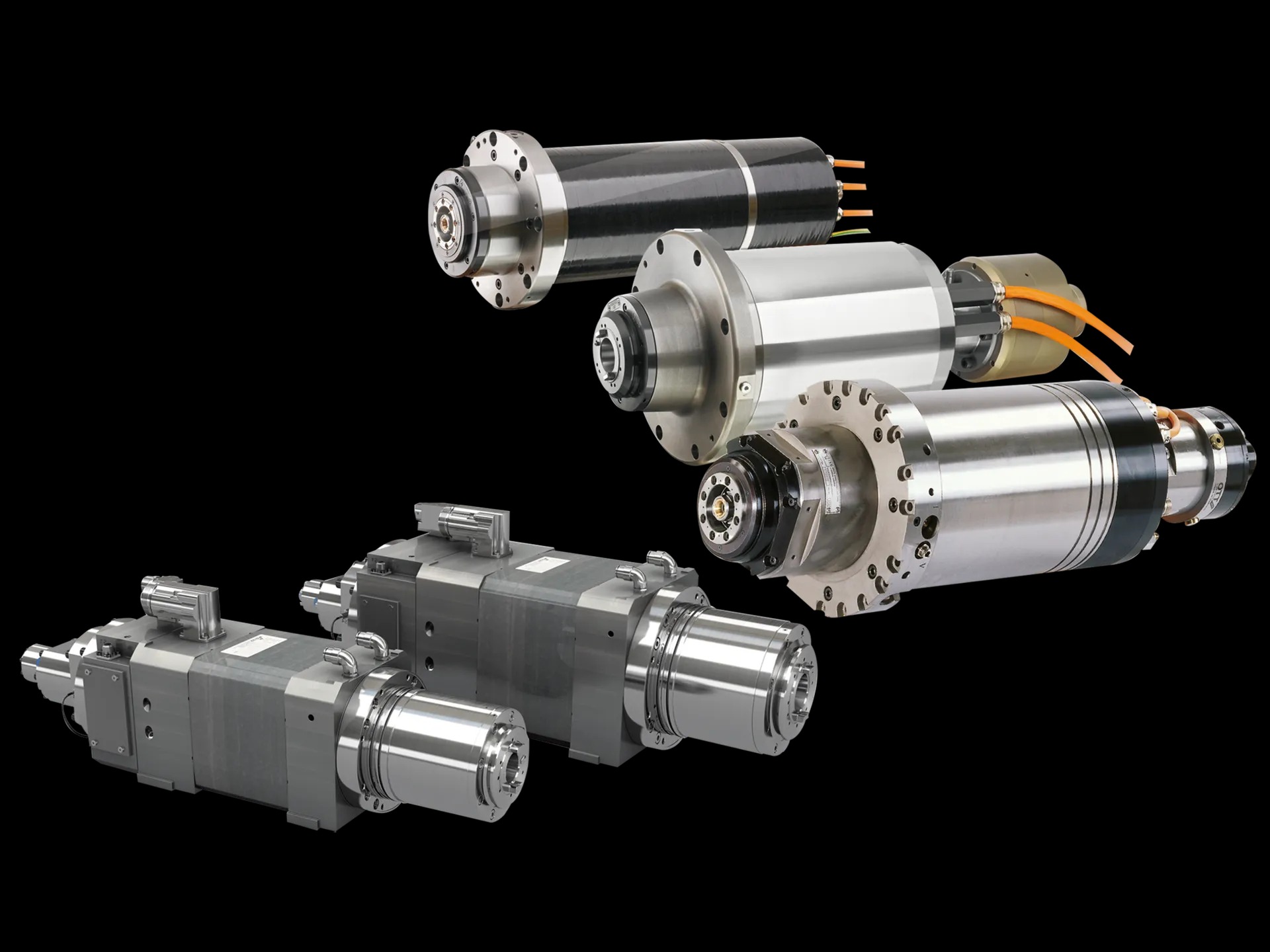
The Heart of Precision Machinery
What a Spindle Really Does
At first glance, a spindle looks deceptively simple. It spins. That’s it. But that’s like saying the human heart “just pumps blood.” A spindle is responsible for converting motor power into precise, controlled rotational motion while maintaining micron-level accuracy under extreme loads, speeds, and temperatures.
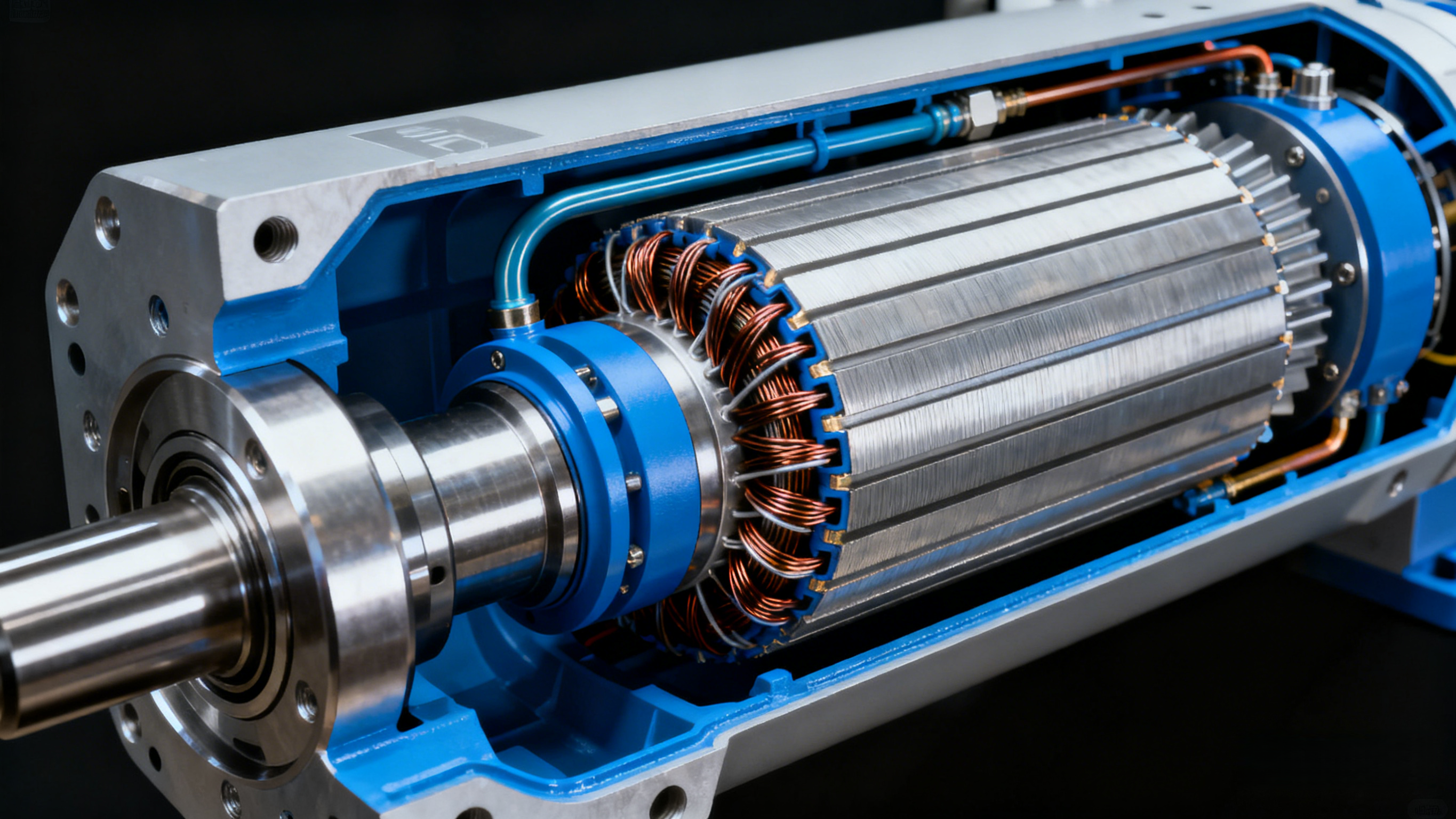
Inside a spindle, everything matters. Bearing preload. Shaft material. Lubrication flow. Heat dissipation. Even microscopic imbalance can turn into destructive vibration at high RPM. Engineers design spindles to operate within very specific envelopes—speed ranges, load limits, duty cycles, and temperature windows. Step outside those boundaries, and physics stops being forgiving.
The spindle doesn’t just spin tools; it defines surface finish, dimensional accuracy, tool life, and machine reliability. When a spindle fails, production doesn’t just slow down—it stops. And that’s why engineers obsess over every detail, knowing full well that once the spindle reaches the customer, control is largely gone.
Why Engineers Respect Spindles More Than Any Other Component
Ask any engineer with decades of experience which machine component they treat with the most respect, and chances are the answer is the spindle. Not because it’s the most expensive—though it often is—but because it’s the most sensitive to misuse.
Unlike frames or housings, spindles don’t tolerate abuse quietly. They remember. A slight overload today might not cause immediate failure, but it shortens bearing life. A skipped warm-up might not show symptoms until months later. Engineers know that many spindle failures aren’t sudden accidents—they’re the result of cumulative damage.
That’s what makes misuse so terrifying. The spindle might keep running, giving a false sense of security, while internal damage quietly grows. By the time symptoms appear, the damage is often irreversible. To an engineer, that’s like watching a slow-motion disaster unfold with no way to intervene.
The Gap Between Design Intent and Real-World Usage
How Engineers Design Spindles vs. How Customers Actually Use Them
Engineers design spindles based on carefully defined assumptions. Load profiles. Cutting forces. Operating speeds. Duty cycles. Environmental conditions. These assumptions are documented, tested, and validated. On paper, everything works beautifully.
Then reality happens.
Customers often use spindles far more aggressively than intended. They push tools harder to meet deadlines. They skip recommended procedures to save time. They assume safety margins are infinite. From an engineer’s perspective, this gap between design intent and real-world usage is where most problems begin.
The spindle doesn’t know it’s being pushed for productivity or profit. It only knows stress, heat, and vibration. When usage consistently exceeds design assumptions, failure isn’t a matter of if—it’s when.
Misunderstanding “Rated Capacity” and “Maximum Capability”
One of the most common misunderstandings engineers see is the confusion between rated capacity and maximum capability. Rated capacity is what the spindle can handle continuously and reliably over its expected lifespan. Maximum capability, on the other hand, is what it can survive—briefly.
Customers often treat maximum numbers like operating targets. Maximum RPM. Maximum load. Maximum power. But running at the edge constantly is like driving a car at redline all day, every day. Sure, it can do it—for a while.
Engineers design safety margins, not invitations. When those margins are consumed daily, spindle life drops dramatically. And when failure eventually happens, it’s often blamed on quality rather than misuse. That disconnect is one of the most frustrating realities for engineers with decades in the field.
Fear 1: Overloading the Spindle Beyond Its Limits
Radial Load Abuse
Radial loads are forces applied perpendicular to the spindle axis and are unavoidable in most milling operations. Every spindle is designed with a specific radial load capacity, calculated by engineers based on bearing type, bearing arrangement, shaft diameter, speed range, and expected cutting conditions. Tool diameter, tool overhang, material hardness, depth of cut, and feed rate are all factored into this calculation.
The problem begins when users decide to “push a little harder.” Increasing depth of cut, using oversized tools, extending tool length, or raising feed rates without recalculating the load may seem harmless in the short term. After all, the spindle keeps rotating, the motor doesn’t trip, and parts still come out looking acceptable. But internally, the bearings are being stressed beyond their design limits.
Excessive radial loads deform bearing raceways, increase contact stress between rolling elements, and generate abnormal friction. This leads to localized heating and uneven wear patterns. The most dangerous part is that none of this is immediately obvious. The spindle may sound normal, vibration levels may stay within acceptable limits, and production continues—while irreversible damage quietly accumulates with every cut.
Axial Load Misuse
Axial loads act along the spindle axis and are most common in drilling, tapping, and plunge milling operations. Many users assume that if the spindle motor has sufficient torque, the spindle itself can handle the operation. From an engineering standpoint, this is one of the most dangerous misconceptions in CNC machining.
Bearings are not universally designed to handle heavy axial forces. Even spindles equipped with angular contact bearings have strict axial load limits and duty cycles. Continuous high axial loading—especially at elevated speeds—dramatically accelerates bearing fatigue. In tapping operations, improper synchronization, dull tools, or aggressive feed settings can multiply axial forces far beyond what the spindle was designed to endure.
Engineers wince when they see heavy axial operations performed repeatedly on spindles not designed for that purpose. It’s equivalent to using a precision measuring instrument as a pry bar: it may survive a few times, but the damage is cumulative and unavoidable. Once axial preload is disturbed or bearing surfaces are damaged, the spindle will never return to its original accuracy or lifespan.
Long-Term Consequences of Overloading
What makes spindle overloading truly frightening is not sudden catastrophic failure, but delayed failure. Bearings rarely fail the moment they are overloaded. Instead, microscopic cracks form beneath the surface of the raceways. Preload conditions slowly change. Lubrication films break down more easily. Vibration levels rise so gradually that operators adapt to them without noticing.
Weeks or even months later, the spindle begins to show symptoms: unexplained heat, declining surface finish, tool marks, or abnormal noise at certain speeds. Eventually, the spindle fails—often during normal operation, not during the abusive cut that caused the damage. By then, the original mistake is forgotten, and the failure seems mysterious and unjustified.
From an engineer’s perspective, these are the most frustrating failures. There is no single dramatic event to point to, no obvious misuse caught on camera. The damage was done long ago, silently, one overloaded pass at a time. And when the spindle finally stops, the cost arrives all at once—downtime, replacement, lost production, and difficult conversations that could have been avoided with proper load awareness from the start.
Fear 2: Running at the Wrong Speed for the Wrong Job
High Speed Isn’t Always Better
One of the most common—and most dangerous—assumptions customers make is that higher spindle speed automatically equals higher productivity. From an engineer’s perspective, this mindset is alarming. Spindle speed is not a throttle you push to the maximum; it is a precisely calculated operating condition that must match the cutting tool, workpiece material, machine rigidity, and thermal limits of the spindle itself.
As spindle speed increases, centrifugal forces acting on the bearings rise exponentially, not incrementally. Rolling elements are forced harder against the raceways, bearing preload effectively increases, and internal friction generates additional heat. At the same time, lubricant films become thinner and less stable, especially at sustained high RPM. Even minor imbalance in the toolholder or collet—imperceptible at moderate speeds—can become a significant vibration source at the upper end of the speed range.
Engineers design spindles to operate reliably within a defined speed envelope, not to live permanently at the redline. When customers run at maximum RPM for long periods, they are effectively trading spindle lifespan for marginal gains in cycle time. What makes this especially deceptive is that performance often looks excellent at first. Surface finish may improve, cutting feels smoother, and productivity numbers look good—right up until bearing temperatures rise, lubrication degrades, and fatigue damage accumulates beyond recovery.
From experience, engineers recognize this pattern immediately: strong short-term results followed by sudden, costly failures that seem to come “out of nowhere.” In reality, the damage was predictable—and preventable.
Low-Speed Torque Myths
At the opposite extreme, running spindles at very low speeds under high torque is another silent killer that engineers fear deeply. Many operators believe that reducing RPM automatically reduces stress on the machine. Unfortunately, physics does not support this assumption.
Low-speed operations such as heavy drilling, tapping, or aggressive roughing place significant axial and radial loads on the spindle. If the spindle is not designed for high torque at low RPM, bearing loads increase dramatically while lubrication performance decreases. Many grease- or oil-mist-based lubrication systems rely on rotational speed to distribute lubricant evenly. When speed drops too low, lubricant flow becomes uneven, increasing the risk of metal-to-metal contact.
Engineers have seen spindles fail not from screaming high speeds, but from slow, grinding operations performed day after day. Bearings overheat locally, raceways suffer from surface distress, and preload conditions degrade gradually. The spindle may never trigger an alarm, but its internal health steadily declines.
The most unsettling part is the misunderstanding behind these failures. Customers genuinely believe they are operating more carefully, while engineers can clearly see a mismatch between spindle design and operating conditions. Good intentions offer no protection when load, speed, and lubrication requirements are ignored.
Bearing Damage Caused by Speed Mismanagement
Bearings are the heart and soul of the spindle, and speed mismanagement is one of their greatest enemies. Bearings are engineered for specific speed ranges, load capacities, and lubrication regimes. When operating speed falls outside these conditions—either too high or too low—the bearing’s designed balance is destroyed.
Excessive speed leads to overheating, lubricant breakdown, increased internal clearance changes, and accelerated fatigue. Insufficient speed results in poor lubrication distribution, uneven load sharing among rolling elements, and localized surface damage. In both cases, bearing life is shortened dramatically, often without obvious early warning signs.
From an engineer’s point of view, these failures are particularly painful. Bearings are selected through careful calculation, validated through testing, and installed under controlled conditions. Watching them fail prematurely because of improper speed selection feels like watching a precision instrument played with boxing gloves—no matter how well it was built, it never stood a chance.
This is why engineers insist that speed is not just a number on the control panel. It is a critical design parameter. When speed matches the job, spindles run cooler, quieter, and longer. When it doesn’t, failure is not a question of “if,” but “when.”
Fear 3: Ignoring Warm-Up Procedures
Why Warm-Up Matters More Than You Think
If there’s one habit engineers wish customers would take seriously, it’s spindle warm-up. Skipping warm-up procedures is like sprinting immediately after waking up—it might work once or twice, but eventually something tears.
Spindles are precision assemblies. When cold, internal components are at different temperatures and tolerances. Bearings, shafts, and housings expand at different rates as temperature rises. Warm-up cycles allow these components to stabilize gradually, reducing internal stress and maintaining alignment.
Customers often see warm-up as wasted time. Engineers see it as cheap insurance. The fear comes from knowing how many failures could have been avoided if operators simply spent a few extra minutes letting the spindle reach thermal equilibrium.
Thermal Expansion and Precision Loss
Thermal behavior is one of the most complex aspects of spindle design. Engineers model it carefully, but real-world conditions still matter. When a cold spindle is pushed immediately into heavy cutting, uneven thermal expansion can cause temporary misalignment. That misalignment increases vibration, tool wear, and bearing stress.
Over time, repeated thermal shock accelerates fatigue in critical components. Accuracy degrades. Surface finishes suffer. Eventually, the spindle loses the precision it was designed to deliver. From an engineer’s viewpoint, this isn’t a mystery—it’s a predictable consequence of thermal abuse.
Real Failures Caused by Cold Starts
Veteran engineers can often diagnose a spindle’s history just by inspecting failed bearings. Patterns of damage tell stories. And many of those stories begin with cold starts under heavy load.
The tragedy is that warm-up procedures are simple, well-documented, and cost almost nothing. Yet they’re frequently ignored. That disconnect between simplicity and consequence is exactly what makes it so frightening.
Fear 4: Poor Tool Holder and Tooling Choices
Cheap Tool Holders: A False Economy
Engineers spend countless hours designing spindles with micron-level precision, only to see that precision destroyed by poor tooling choices. Cheap tool holders are one of the fastest ways to ruin a good spindle.
Low-quality holders often suffer from poor balance, inconsistent taper accuracy, and weak clamping force. At high speeds, even minor imperfections generate vibration that transfers directly into the spindle bearings. Customers may save money upfront, but the long-term cost is staggering.
From an engineer’s perspective, this is like mounting cheap tires on a high-performance car and then blaming the engine when something goes wrong.
Imbalance and Runout Problems
Tool imbalance and runout are silent enemies. Operators might not feel them, but spindles definitely do. Excessive runout increases cutting forces unevenly, creating cyclic loads that fatigue bearings prematurely.
Engineers know that spindles are only as good as the tooling attached to them. When customers mix precision machines with sloppy tooling practices, failure becomes almost inevitable.
How Bad Tooling Destroys Good Spindles
What scares engineers most is how quickly bad tooling can undo years of careful design. A spindle that should last a decade can be destroyed in months if subjected to constant imbalance and vibration.
And when failure happens, tooling is rarely blamed. The spindle gets labeled “weak” or “poor quality,” even though it was never given a fair chance.
Fear 5: Neglecting Lubrication and Cooling Systems
Grease vs. Oil-Air Lubrication
Lubrication is not optional—it is life support for the spindle. From an engineering standpoint, bearings do not fail from use alone; they fail when the lubrication film that separates metal surfaces breaks down. This is why engineers select lubrication systems with extreme care, based on spindle speed, bearing type, load conditions, and expected duty cycles.
Grease-lubricated spindles are designed for simplicity and reliability, but they are not maintenance-free. Grease degrades over time due to heat, mechanical shear, and contamination. When grease is not replenished at the correct interval—or when the wrong grease type is used—it hardens, separates, or loses its lubricating properties. Bearings then run hotter, friction increases, and wear accelerates rapidly.
Oil-air lubrication systems, on the other hand, are designed for high-speed applications where precise lubricant delivery is critical. These systems rely on clean, dry air and a consistent oil supply. A clogged line, incorrect oil viscosity, contaminated air, or inconsistent delivery rate can starve bearings within minutes. Engineers fear oil-air failures because the system may appear functional while silently delivering insufficient lubrication.
In both cases, lubrication problems are often invisible. There may be no alarms, no obvious noise, and no immediate performance loss—until the bearing surfaces are already damaged beyond repair.
Coolant Contamination Risks
Coolant ingress into a spindle is one of the fastest paths to catastrophic failure. Spindle seals are engineered to withstand specific pressures, flow directions, and environmental conditions. When coolant pressure is excessive, improperly directed, or combined with poor seal maintenance, those defenses can be overwhelmed.
Once coolant enters the bearing chamber, the situation deteriorates rapidly. Lubricant is diluted or washed away, corrosion begins almost immediately, and bearing surfaces suffer chemical and mechanical damage. Even small amounts of coolant contamination can destroy a precision bearing in a surprisingly short time.
From an engineer’s perspective, coolant-related failures are especially frustrating because they are almost always preventable. Proper coolant pressure control, correct nozzle positioning, regular seal inspection, and disciplined maintenance practices dramatically reduce risk. When these basics are ignored, the spindle pays the price.
Small Maintenance Mistakes, Massive Damage
What truly terrifies engineers is how minor maintenance oversights can lead to massive, irreversible damage. A missed lubrication interval. A clogged oil-air filter. A leaking fitting that “isn’t that bad yet.” Each of these seems insignificant in isolation, but together they create conditions that no precision spindle can survive.
Spindles do not tolerate neglect gracefully. Once lubrication fails or contamination begins, damage accelerates exponentially. Bearings overheat, raceways spall, preload collapses, and vibration spikes. At that point, recovery is no longer an option—only replacement.
From an engineering standpoint, the tragedy is not the cost of the spindle itself, but how easily the failure could have been avoided. Simple discipline, basic checks, and respect for lubrication and cooling systems protect an investment worth tens of thousands of dollars.
In the end, lubrication and cooling are not support systems—they are core systems. Ignore them, and even the best spindle design will fail far sooner than it ever should.
Fear 6: Improper Installation and Alignment
Installation Errors Engineers See Too Often
Even the most precisely engineered spindle can be compromised in the first hour of its life if it is installed incorrectly. Engineers frequently encounter spindles mounted with uneven clamping force, incorrect torque values, distorted housings, or contaminated mounting surfaces. Dust, chips, burrs, or even a thin film of oil trapped between the spindle and mounting face can introduce stress and runout before the machine ever starts cutting.
Improper torque is one of the most common mistakes. Over-tightening mounting bolts can distort the spindle housing, altering internal bearing alignment and preload. Under-tightening, on the other hand, allows micro-movement during operation, which leads to fretting corrosion and progressive loosening. Both scenarios silently degrade spindle performance.
Customers often assume installation is a simple mechanical step—bolt it in, connect power, and start machining. Engineers know better. Installation is not just assembly; it is the final extension of the spindle’s manufacturing process. A single mistake at this stage can erase years of careful design, precision grinding, and bearing matching, shortening spindle life dramatically no matter how good the product itself is.
Misalignment and Its Domino Effect
Misalignment is one of the most destructive and least understood problems engineers encounter in the field. When a spindle is not perfectly aligned with the machine structure, tool axis, or drive components, internal bearing loads become uneven. One bearing carries more load than intended, while others operate outside their optimal contact angles.
The immediate effects may be subtle: slightly higher vibration, minor temperature rise, or inconsistent surface finish. Over time, however, the consequences cascade. Bearings wear unevenly, preload shifts, lubrication films break down, and vibration levels steadily increase. Each issue feeds the next, creating a domino effect that accelerates failure.
What makes misalignment especially frightening is how quietly it operates. There may be no alarms, no obvious noise, and no dramatic performance drop. The spindle continues to run, parts continue to ship, and damage accumulates invisibly. By the time failure occurs, the root cause is buried so deep that it’s often blamed on “bad bearings” or “normal wear,” rather than the alignment error that started it all.
Vibration: The Silent Spindle Killer
Engineers obsess over vibration because it is both a symptom and a cause of nearly every spindle failure mode. Improper installation and misalignment are among the fastest ways to introduce vibration into a system that was designed to run smoothly.
Once vibration is present, it amplifies every other problem. Bearing fatigue accelerates, fasteners loosen, tool life decreases, and surface finish deteriorates. Lubrication films become unstable, turning rolling contact into sliding contact. Heat rises, clearances change, and the spindle slowly loses its precision.
The real danger is normalization. Operators get used to the sound. Maintenance teams accept the vibration as “how this machine has always been.” From an engineer’s perspective, this is the most alarming stage—because by the time vibration feels normal, failure is already underway.
Proper installation and alignment are not optional best practices; they are fundamental requirements for spindle survival. When done correctly, a spindle runs quietly, smoothly, and predictably. When done poorly, no amount of design excellence can save it.
Fear 7: Ignoring Early Warning Signs
Noise, Heat, and Vibration Red Flags
Spindles rarely fail without warning. Long before catastrophic damage occurs, there are signals—small, easily dismissed changes that experienced engineers recognize immediately. A slight shift in sound during acceleration. A temperature that creeps higher than usual after a long run. A faint vibration that wasn’t there last month. These are not coincidences; they are the spindle communicating distress.
Engineers are trained to listen to machines, not just measure them. They know what a healthy spindle sounds like and how it behaves across different speeds and loads. When those patterns change, even subtly, it raises immediate concern. Noise, heat, and vibration are the three most reliable early indicators that something inside the spindle is no longer operating as designed.
What sends chills down an engineer’s spine are the words customers often use to dismiss these signs: “It’s always sounded like that,” or “It’s been running hot for years.” From an engineering perspective, those statements usually mean the warning signs have been ignored long enough for serious internal damage to already be in progress.
Why Operators Normalize Abnormal Behavior
Humans are remarkably good at adapting, and in machining environments, that ability can be dangerous. Operators work with the same machines every day. Gradual changes in sound, temperature, or vibration happen so slowly that they blend into the background. What once triggered concern eventually feels normal.
Engineers fear this normalization because it removes urgency from problems that require immediate attention. A spindle that gets slightly louder each month doesn’t trigger alarms, but internally, bearing surfaces are deteriorating and preload is drifting out of specification. By the time the change becomes obvious, the damage is often irreversible.
This isn’t negligence—it’s psychology. Production pressure, tight schedules, and the desire to avoid downtime all encourage operators to keep running as long as the machine still produces parts. Engineers understand these pressures, but they also know that ignoring early warning signs doesn’t eliminate the problem. It only postpones it, while dramatically increasing the eventual cost.
The Cost of “Running It Until It Fails”
From an engineering standpoint, “run it until it fails” is one of the most expensive maintenance strategies possible. When a spindle fails catastrophically, it rarely does so in isolation. Bearings seize, shafts score, housings deform, and debris spreads throughout the spindle and sometimes into the machine itself.
The damage often extends beyond the spindle. Toolholders are ruined. Workpieces are scrapped. Fixtures are damaged. In severe cases, the machine structure or drive system suffers collateral damage. What could have been a planned bearing replacement or alignment check turns into unplanned downtime, emergency repairs, and lost production.
Engineers know that early intervention saves money, time, and stress. Addressing noise, heat, or vibration at the first sign often means minor maintenance instead of full replacement. The challenge is convincing customers that stopping a machine early is not a failure—it’s a smart decision.
To an engineer, the most frustrating failures are the ones that were clearly preventable. The warning signs were there. The spindle was asking for help. It just wasn’t listened to in time.
Respect the Spindle, Respect the Machine
After 20 years in engineering, the greatest fear is not complexity, advanced technology, or demanding applications—it is misuse. Modern spindles are remarkable achievements of precision engineering. They combine micron-level tolerances, carefully matched bearings, optimized lubrication systems, and years of design refinement. But no matter how advanced they are, spindles are not indestructible.
Most spindle failures are not the result of poor design or manufacturing defects. They are the result of misunderstandings, shortcuts taken under production pressure, and decisions made without fully considering the physical limits of the system. Pushing higher loads, running at the wrong speeds, ignoring installation procedures, or dismissing early warning signs may keep production moving today—but they quietly borrow time from the spindle’s future.
Respecting the spindle means respecting physics. It means understanding that load, speed, lubrication, alignment, and vibration are not suggestions—they are requirements. It means following proper installation and maintenance procedures, choosing operating parameters intentionally, and responding quickly when something doesn’t feel right.
When customers and engineers work together—sharing knowledge, respecting design intent, and making informed decisions—spindles deliver extraordinary performance, accuracy, and longevity. They run cooler, quieter, and more reliably. Downtime decreases. Costs stabilize. Trust in the machine grows.
When that partnership breaks down, however, even the best spindle designs eventually fail. Not suddenly, not dramatically—but predictably.
A spindle that is respected will reward you with years of dependable service. A spindle that is ignored will always collect its cost in the end.


 English
 简体中文
简体中文 繁體中文
繁體中文 العربية
 Français
 Русский
 Español
 Português
 Deutsch
 italiano
 日本語
日本語 한국어
한국어 Nederlands
 Tiếng Việt
 ไทย
ไทย Polski
 Türkçe
 አማርኛ
አማርኛ ພາສາລາວ
 ភាសាខ្មែរ
 Bahasa Melayu
 ဗမာစာ
ဗမာစာ தமிழ்
தமிழ் Filipino
 Bahasa Indonesia
 magyar
 Română
 Čeština
 Монгол
 қазақ
қазақ Српски
 हिन्दी
 فارسی
فارسی Kiswahili
 Slovenčina
 Slovenščina
 Norsk
Norsk Svenska
 українська
 Ελληνικά
 Suomi
Suomi Հայերեն
 עברית
עברית Latine
 Dansk
Dansk اردو
اردو Shqip
Shqip বাংলা
বাংলা Hrvatski
 Afrikaans
 Gaeilge
 Eesti keel
 Māori
Māori සිංහල
සිංහල नेपाली
 Oʻzbekcha
 latviešu
 অসমীয়া
 Aymara
 Azərbaycan dili
 Bamanankan
 Euskara
 Беларуская мова
 भोजपुरी
 Bosanski
 Български
 Català
 Cebuano
 Corsu
Corsu ދިވެހި
 डोग्रिड ने दी
 Esperanto
 Eʋegbe
 Frysk
Frysk Galego
 ქართული
 guarani
 ગુજરાતી
 Kreyòl ayisyen
 Hausa
Hausa ʻŌlelo Hawaiʻi
 Hmoob
Hmoob íslenska
 Igbo
Igbo Ilocano
 Basa Jawa
 ಕನ್ನಡ
ಕನ್ನಡ Kinyarwanda
 गोंगेन हें नांव
 Krio we dɛn kɔl Krio
 Kurdî
Kurdî Kurdî
Kurdî Кыргызча
 Lingala
 Lietuvių
 Oluganda
 Lëtzebuergesch
 Македонски
 मैथिली
 Malagasy
 മലയാളം
 Malti
Malti मराठी
मराठी ꯃꯦꯇꯥꯏ (ꯃꯅꯤꯄꯨꯔꯤ) ꯴.
 Mizo tawng
 Chichewa
 ଓଡ଼ିଆ
ଓଡ଼ିଆ Afaan Oromoo
 پښتو
پښتو ਪੰਜਾਬੀ
 Runasimi
 Gagana Samoa
 संस्कृत
 Gaelo Albannach
 Sepeti
 Sesotho
 chiShona
 سنڌي
سنڌي Soomaali
 Basa Sunda
 Wikang Tagalog
 Тоҷикӣ
 Татарча
 తెలుగు
 ትግንያውያን
 Xitsonga
 Türkmençe
 संस्कृत
 ئۇيغۇرچە
 Cymraeg
 isiXhosa
 ייִדיש
 Yorùbá
 isiZulu


