You are here:Home » News » CNC Engraving Vs Laser Engraving: Which Process Is Better for Your Material?
CNC Engraving Vs Laser Engraving: Which Process Is Better for Your Material?
Views: 0 Author: Site Editor Publish Time: 2026-08-06 Origin: Site
Have you ever chosen “engraving” only to get the wrong depth, the wrong edge, or the wrong durability?
CNC Engraving vs Laser Engraving look similar in ads, but the real results can differ a lot by material.
In this guide, you’ll see why that happens.
One process cuts, and the other burns or marks using focused heat.
That difference changes depth, finish, and even safety risk.In this post, we’ll discuss the process mechanism first.
Then you’ll get a material-by-material selection guide.
Finally, we’ll cover buying criteria like depth, 3D demand, cost, and batch stability.
CNC Engraving vs Laser Engraving — the core difference buyers should understand
What “CNC Engraving” actually does (mechanical cutting)
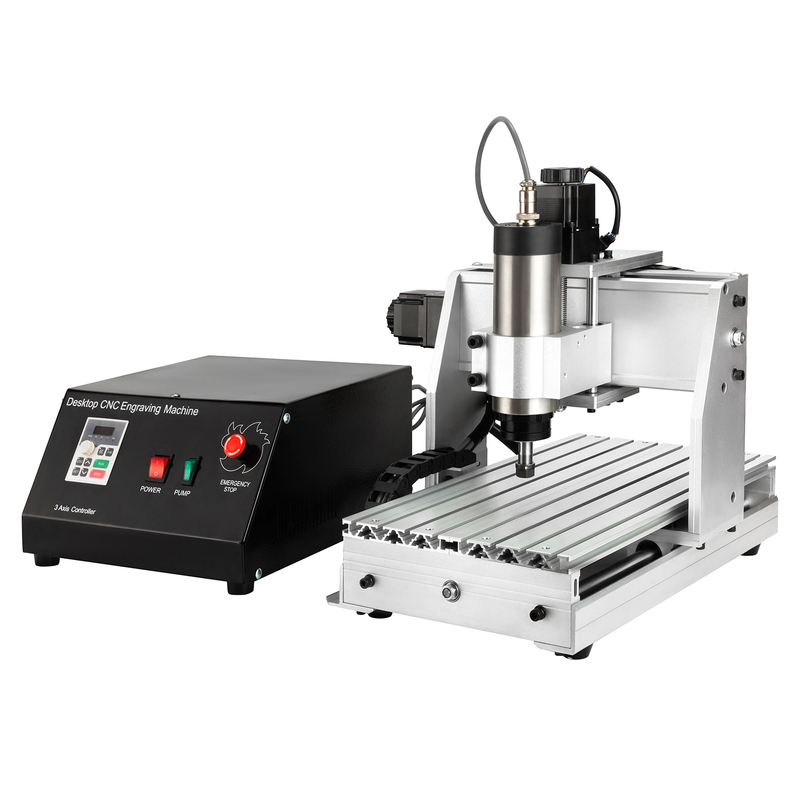
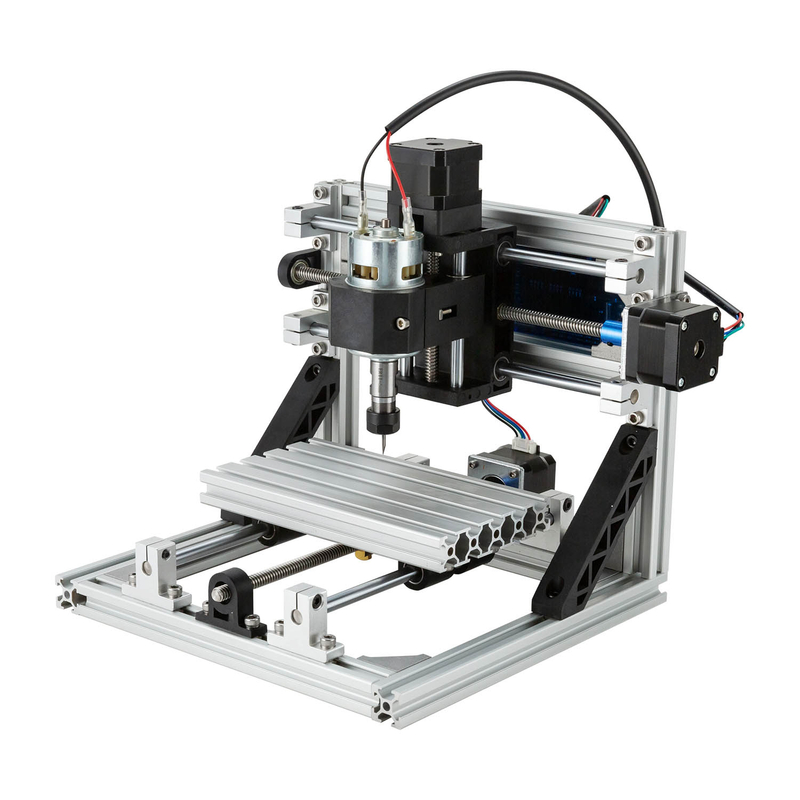
When people say CNC Engraving, they usually mean a subtractive job. A sharp cutting tool spins and physically touches the surface, then it removes material along toolpaths. That contact is the whole story, because it drives the results you can feel later. It also explains why setup, cleanup, and finish all look different from laser work.
Here’s what happens in practice:
The cutter contacts the part and removes material in controlled passes
It supports flat cutting for grooves, signs, and channels
It supports full 3D deep relief carving for pockets, bevels, and sculpted forms
It produces chips/dust, not vapor, so you’ll need suction or dust control
A shop favorite is the “tactile check.” Run your finger after machining, and you’ll feel those carved walls. That physical depth is why CNC Engraving vs Laser Engraving gets compared for functional parts, not just decorations.
What “Laser Engraving” actually does (non-contact thermal processing)
Laser engraving is also subtractive in the long run, but the method is totally different. It uses a focused beam, and the process is non-contact photothermal. The beam heats the surface, then tiny amounts vaporize, melt, or carbonize depending on the material. It’s fast, clean-looking, and great for crisp marking.
Laser work tends to deliver:
Excels at 2D fine surface marking like logos, line art, and small text
Limited ability to cut thick solid materials compared to mechanical cutting
Heat-affected zones that influence durability and surface tone
Think about what the buyer sees: sharp contrast on the top layer, but usually less “tool-cut” depth than CNC. If the part is thin, heat can also shift how it looks or how it tolerates handling. This is why CNC Engraving vs Laser Engraving choices shouldn’t be based only on pictures online.
Why the mechanism changes your real-world results
Both processes can create “engraving.” That’s true. The difference is what engraving means to your final product: depth, edge behavior, and how the part handles wear. CNC gives tactile depth because it removes volume. Laser gives surface detail because it changes the surface layer.
The workflow changes too. CNC usually asks for workholding/fixtures, because the tool pushes into the material. Laser often feels more “setup-light,” but it still needs tuning for power and speed. File prep differs as well. CNC typically fits CAD toolpath workflows, while laser engraving often uses vector/raster artwork.
Buyer need
Likely CNC outcome
Likely laser outcome
Tactile depth you can feel
Deep pockets, full 3D relief
Mostly surface-level modification
Fine logos / serials
Works, but may require tight toolpaths
Crisp 2D marking, small text
Material thickness
Better for thick cutting projects
Harder to cut thick solids
Surface durability
Mark resists abrasion via physical cut
Mark depends on coating/material response
If you run production, these differences matter more. Laser marking can be faster for batch labeling, but CNC wins when you need structured depth, rigid machining, or consistent channel geometry. The “best” answer in CNC Engraving vs Laser Engraving is the one that matches how your material behaves under cutting contact versus concentrated heat.
Material compatibility: the fastest way to choose CNC Engraving vs Laser Engraving
If you’re stuck between CNC Engraving vs Laser Engraving, stop thinking “which looks better.” Start thinking “how does my material behave under contact cutting or concentrated heat?”
That one shift saves hours of trial runs, especially when you’re dealing with thick stock, plastics, or dense composites.This section is built like a buyer’s quick decision map. Find your material type, then match the process to the outcome you actually need—depth, detail, and edge quality.
Wood (hardwood, solid wood, MDF, plywood) — CNC or laser?
For wood, CNC Engraving is usually the practical pick. CNC supports thick wood deep cutting, and it can do 3D wood sculpture and complex relief work without turning edges into char lines.
It’s also forgiving when you need shaped grooves for joinery-like results.Laser can work on wood too, but it often behaves like “surface decoration” more than “full-depth carving.” You may end up with mostly shallow surface marking, then post-finishing becomes part of your plan if depth matters.
Why buyers choose CNC for wood
thick cutting and deeper pockets
cleaner edges when depth is the goal
reliable 2.5D and full 3D relief control
Where laser tends to fit
logos, engraving accents, thin-line detail
faster surface effects when depth is not the priority
Plastics split into two worlds: thick blocks and fragile thin sheets. Your thickness decides the process.
Thick acrylic blocks & hard PVC slabs
Choose CNC Engraving for thick acrylic and hard PVC slabs. CNC can deliver full-depth cutting and shaped grooves without thermal deformation that heat can cause.
In real production, that means fewer warped parts and less time re-machining.
Ultra-thin acrylic sheet surface effects
When the job is surface-level and the sheet is ultra-thin, Laser Engraving often wins on finish. It produces a fine, crisp marking that looks sharp right away.
Depth is the trade-off, so you shouldn’t expect CNC-like deep channels from laser on most setups.
PVC safety warning (must-read)
PVC is the one material where the buying advice gets very strict. Laser engraving PVC is strictly forbidden in many workflows because it can release toxic/corrosive gases.
CNC is different. It generates solid dust/chips instead of vaporizing via intense heat, which is typically a lower hazard scenario for normal shop controls.
Also, don’t rely on “it worked once.” Different machines, ventilation strength, and job settings change risk fast.
Metals (aluminum, brass, copper) — engraving vs machining
For metals, buyers usually want either deep structural work or clear identification. That’s exactly where CNC Engraving vs Laser Engraving diverges.
Recommended for machining:CNC Engraving
It’s great for deep work, precision mechanical parts, drilling, and structural channels where geometry matters.
Laser nuance so you don’t get misled:
Laser can mark metals, but it’s usually stronger for fine marking than deep machining. If your requirement is a functional groove or hole, CNC fits better in most cases.
When metal marking is a secondary process (serials, lot numbers)
Many metal parts are machined first, then marked. That makes engraving a secondary step.
So engrave only what’s necessary—serials, part numbers, part lot numbers, and traceability—otherwise you add time and cost without value.
Glass, leather, thin paper, rubber stamp blanks
These materials lean toward Laser Engraving. Mechanical contact is the enemy here. Thin glass can crack, and soft leather or flexible blanks can shift or deform under a moving bit.
Laser is non-contact, so it delivers high-contrast surface etching with less distortion risk.
Practical outcomes matter: glass often gets that frosted etched look, while leather/paper/stamps benefit from fine, clean detailing that keeps edges neat.
Use this as your fast filter before you dive into depth, batch size, and file prep.
Material type
Best match (fast recommendation)
Typical result focus
Wood (hardwood/solid wood/MDF/plywood)
CNC
thick cutting + 3D relief
Thick acrylic / PVC / composites
CNC
full-depth cuts, shaped grooves
Ultra-thin acrylic sheets
Laser
crisp surface marking
Leather / paper / rubber stamp blanks / glass
Laser
non-contact fine etching
Metals
CNC for deep work; laser for surface marking nuance
deep channels vs crisp IDs
This compatibility view keeps your decisions grounded in how the material responds—so CNC Engraving vs Laser Engraving stops being a guessing game and starts being a reliable selection process.
Engraving depth vs surface detail — the “touchable result” test
Some engraving jobs look great in photos, then disappoint in real use. The quickest way to avoid that is the touch test: will your customer’s fingers feel the mark, or only see it?
That one detail often decides CNC Engraving vs Laser Engraving for you.
In this section, think in two outcomes. One is tactile depth. The other is fine surface detail. Pick the outcome first, then pick the machine.
If you need tactile depth, choose CNC Engraving vs Laser Engraving differently
Tactile depth means the part has geometry removed. It’s not just color or char. CNC creates that feeling because it physically cuts into the material.
When a tool removes volume, the mark stays “protected” inside the surface shape, which helps it survive handling.
What CNC gives you
marks you can feel when you run a fingertip over them
longer-lasting results through repeated handling and cleaning
options for deeper pockets, grooves, and 3D relief shapes
Why laser usually can’t replace it
laser marks are often mainly surface-level modification
heat can alter contrast, but it rarely gives the same structural depth
A buyer-friendly way to decide is to treat the engraving like a “functional feature,” not decoration. Traceability marks on industrial parts often need that physical staying power.
If you need tactile depth: a quick decision table
Use this as a practical shortcut when the drawing calls for “engraving that lasts.”
Your requirement
Best match
Why it fits
Marks must be readable after cleaning and wear
CNC Engraving
Physically cut depth resists abrasion better
You need deep pockets / full relief shapes
CNC Engraving
Supports 2.5D and full 3D deep carving
You only need visible branding on the surface
Laser Engraving
Crisp surface contrast without cutting volume
This doesn’t mean laser is “weak.” It means the job definition should match what each method naturally does.
If you need ultra-fine detail, laser engraving usually wins
Ultra-fine detail is where laser really shines. It can produce thin lines and crisp edges with high contrast.
It’s also fast for detailed graphics that would be slow—or messy—when done by a cutting tool.Laser strengths show up clearly in these use cases:
thin lines and small text
complex curves and intricate artwork
QR codes / barcodes that must scan reliably at small sizes
CNC can engrave fine marks too. Still, tool diameter and geometry set practical limits. Laser avoids tool contact and keeps details sharp, especially for logos and identification where readability matters more than tactile depth.
Practical “touchable result” checklist before you order
When buyers send specs, they often forget to define depth. You can fix that in two minutes. We typically recommend including answers to these points:
Is the engraving purely visual, or does it need to be felt?
Will parts go through frequent cleaning, oil exposure, or abrasion?
Do you need QR codes / barcodes at small scale, or larger serial numbers?
Does your design require 3D relief or just crisp surface lines?
Once those answers are clear, CNC Engraving vs Laser Engraving becomes much less of a debate and more of a clean selection.
Conclusion
Your choice in CNC Engraving vs Laser Engraving starts with your material, not the marketing.
Then match the process to the result you must deliver.A simple rule helps buyers decide fast:
Deep, tactile, structural work → CNC Engraving
Fine, surface-level detail and fast marking → Laser Engraving
Use material compatibility first.
Then confirm depth and detail needs, batch requirements, and safety constraints.
FAQs About CNC Engraving vs Laser Engraving
Q: Can CNC engrave like a laser?
A: Yes. CNC can engrave fine marks, but it mainly shines in depth and 3D capability.
Q: Which is better for metal parts?
A: CNC for deep machining, holes, and structural channels. Laser is often better for fine identifiers.
Q: Is laser engraving safe for PVC?
A: Generally no. Laser engraving PVC is commonly treated as strictly forbidden due to toxic/corrosive gas risk. Use CNC where allowed.
Q: How long do markings last?
A: CNC marks usually last longer because they’re physically cut. Laser marks can last long, but may wear in high-abrasion conditions.
Join us as an exclusive distributor of CNC Router Machines and CNC Spindle Motors. As a professional manufacturer, we provide high-performance machines, attractive profit margins, technical training, and full marketing support. Build a strong partnership with us and expand your market with confidence.


 English
 简体中文
简体中文 繁體中文
繁體中文 العربية
 Français
 Русский
 Español
 Português
 Deutsch
 italiano
 日本語
日本語 한국어
한국어 Nederlands
 Tiếng Việt
 ไทย
ไทย Polski
 Türkçe
 አማርኛ
አማርኛ ພາສາລາວ
 ភាសាខ្មែរ
 Bahasa Melayu
 ဗမာစာ
ဗမာစာ தமிழ்
தமிழ் Filipino
 Bahasa Indonesia
 magyar
 Română
 Čeština
 Монгол
 қазақ
қазақ Српски
 हिन्दी
 فارسی
فارسی Kiswahili
 Slovenčina
 Slovenščina
 Norsk
Norsk Svenska
 українська
 Ελληνικά
 Suomi
Suomi Հայերեն
 עברית
עברית Latine
 Dansk
Dansk اردو
اردو Shqip
Shqip বাংলা
বাংলা Hrvatski
 Afrikaans
 Gaeilge
 Eesti keel
 Māori
Māori සිංහල
සිංහල नेपाली
 Oʻzbekcha
 latviešu
 অসমীয়া
 Aymara
 Azərbaycan dili
 Bamanankan
 Euskara
 Беларуская мова
 भोजपुरी
 Bosanski
 Български
 Català
 Cebuano
 Corsu
Corsu ދިވެހި
 डोग्रिड ने दी
 Esperanto
 Eʋegbe
 Frysk
Frysk Galego
 ქართული
 guarani
 ગુજરાતી
 Kreyòl ayisyen
 Hausa
Hausa ʻŌlelo Hawaiʻi
 Hmoob
Hmoob íslenska
 Igbo
Igbo Ilocano
 Basa Jawa
 ಕನ್ನಡ
ಕನ್ನಡ Kinyarwanda
 गोंगेन हें नांव
 Krio we dɛn kɔl Krio
 Kurdî
Kurdî Kurdî
Kurdî Кыргызча
 Lingala
 Lietuvių
 Oluganda
 Lëtzebuergesch
 Македонски
 मैथिली
 Malagasy
 മലയാളം
 Malti
Malti मराठी
मराठी ꯃꯦꯇꯥꯏ (ꯃꯅꯤꯄꯨꯔꯤ) ꯴.
 Mizo tawng
 Chichewa
 ଓଡ଼ିଆ
ଓଡ଼ିଆ Afaan Oromoo
 پښتو
پښتو ਪੰਜਾਬੀ
 Runasimi
 Gagana Samoa
 संस्कृत
 Gaelo Albannach
 Sepeti
 Sesotho
 chiShona
 سنڌي
سنڌي Soomaali
 Basa Sunda
 Wikang Tagalog
 Тоҷикӣ
 Татарча
 తెలుగు
 ትግንያውያን
 Xitsonga
 Türkmençe
 संस्कृत
 ئۇيغۇرچە
 Cymraeg
 isiXhosa
 ייִדיש
 Yorùbá
 isiZulu