You are here:Home » News » How To Choose A Mini CNC Router Machine for Wood, Acrylic, Plastic, And Soft Metal Cutting
How To Choose A Mini CNC Router Machine for Wood, Acrylic, Plastic, And Soft Metal Cutting
Views: 0 Author: Site Editor Publish Time: 2026-10-06 Origin: Site
A compact machine can still produce serious work. However, the wrong configuration may melt acrylic, chatter in aluminum, or limit every future project.
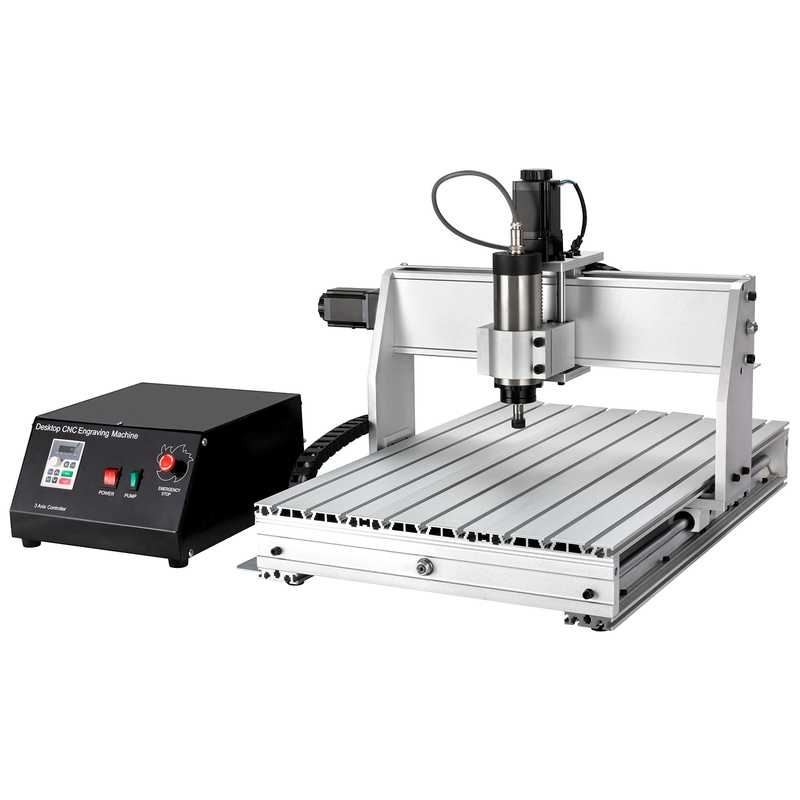
Choosing a Mini CNC Router Machine requires more than comparing prices and spindle wattage. You must match its working area, structure, motion system, tooling, and controls to real materials.
This guide explains each decision in practical terms. You will learn what to verify before buying for engraving, cutting, prototyping, or small-batch production.
Start With Your Materials and Finished Parts
Begin with your hardest planned material, not your easiest project. A machine handling aluminum reliably will usually process wood and plastics. The reverse assumption often causes weak cuts, broken tools, and disappointing finishes.
Match the Machine to the Cutting Load
Each material creates a different cutting load and heat problem. Wood produces dust, acrylic can melt, and softer plastics may wrap around cutters. Aluminum and brass need greater rigidity, controlled chip load, and reliable chip removal.
Material
Typical Mini CNC Router Work
Features to Prioritize
Wood, plywood, and MDF
Signs, reliefs, joints, molds, and small furniture parts
Define the operations before requesting a quotation. Engraving thin text needs precision and low runout. Profile cutting needs enough Z clearance, tool length, and spindle capacity. Deep pockets demand rigidity and effective chip evacuation across longer cycles.
Also record the largest raw blank, finished part, and expected batch size. A small sign may fit easily, yet its clamps can occupy valuable travel. Repeated production also needs faster setup, consistent zeroing, and dependable component availability.
Treat “soft metal cutting” as light routing, not heavy steel milling. A compact router can engrave or make shallow aluminum passes when correctly configured. Frequent deep metal removal may require a milling machine instead.
Finally, send suppliers representative drawings and material details. Include dimensions, thickness, tolerances, finish expectations, and monthly volume. A credible supplier should discuss process limits rather than promise every material.
Size the Working Area, Z Travel, and Workshop Footprint
Model names often suggest approximate table sizes, but they are not measurement standards. Compare effective X, Y, and Z travel on the specification sheet. Then compare those numbers against your blank, fixtures, spoilboard, and cutter clearance.
Compare Common Compact CNC Sizes
The Zhong Hua Jiang 6040 CNC Router Machine page provides a useful comparison across compact formats. Its listed effective areas show how quickly capacity grows between model classes. Always confirm the ordered configuration because options may change usable clearance.
Model Class
Listed Effective Working Area
Practical Starting Use
3020
210 × 300 × 60 mm
Small engraving, PCB work, tags, and compact prototypes
3040
290 × 380 × 60 mm
Acrylic signs, craft parts, fixtures, and light production
6040
400 × 570 × 75 mm
Medium panels, molds, signage, and larger batch layouts
6090
900 × 570 × 150 mm
Larger workpieces, deeper setups, and broader production needs
Usable Z travel deserves special attention. A thick workpiece, spoilboard, clamp, and long tool all consume vertical space. Rotary fixtures require even more clearance below the spindle and gantry.
Check whether axis limits reduce the advertised travel. Probe racks, dust covers, and rotary brackets can consume additional working space.
Next, measure the complete machine footprint. Leave room for the control box, computer, coolant system, dust hose, maintenance access, and material loading. A compact cutting area can still require a surprisingly large operating zone.
Workholding must fit the planned workflow. T-slots offer flexible clamping, while a flat spoilboard supports screws or adhesive methods. Repeated parts benefit from locating pins, stops, probes, or dedicated fixtures.
Check the frame weight and bench capacity before installation. A heavier rigid platform can reduce vibration, but it becomes harder to move. Leveling feet and a solid stand also protect accuracy.
Choose the smallest area that fits most profitable work, plus reasonable growth. Oversizing increases cost and occupied space. Undersizing forces tiled toolpaths, repeated alignment, and avoidable handling errors.
Choose the Spindle, Speed Range, Cooling, and Collet
Spindle wattage matters, yet it cannot repair a flexible gantry. Power, torque, speed stability, tool capacity, and frame rigidity work together. Compare them as one cutting system rather than isolated specifications.
Select Power for the Real Duty Cycle
A 300W spindle can suit PCB routing, fine engraving, foam, plastics, and light wood work. An 800W or 1500W option provides more capacity for acrylic, hardwood, and careful soft-metal routing. Larger machines may use 1500W or 2200W spindles for broader tools and longer jobs.
High speed helps small cutters produce clean wood and acrylic edges. Aluminum usually needs controlled chip load, stable motion, and shallow engagement. Maximum RPM alone does not prove metal-cutting ability.
Choose collet capacity around your intended cutter shanks. ER11 systems suit smaller engraving and routing tools. ER16 or ER20 systems accept broader tooling, but the spindle and machine must support the added cutting load.
Match Cooling and Tooling to the Material
Air-cooled spindles simplify installation because they need no pump, tank, or coolant hoses. Water-cooled spindles can reduce spindle noise and manage heat during long, high-speed cycles. Their cooling circuit adds maintenance and demands protection against leaks or freezing.
For acrylic, use sharp cutters designed to clear chips before they remelt. Single-flute or double-flute tools are common choices for routing sheet. This Routing - ACRYLITE® also explains bit geometry, procedures, and troubleshooting.
Wood jobs may need upcut, downcut, compression, or V-bits. Each produces different edge quality and chip flow. Plastics need trials because PVC, ABS, nylon, and acetal respond differently.
Soft metal needs suitable carbide end mills, secure clamping, and planned lubrication or air clearing. Ask whether the machine supports controlled spindle speed through a matching VFD. Confirm voltage, frequency, plugs, grounding, and electrical standards before shipment.
Ask whether the VFD holds speed under load and accepts controller commands. Verify the spindle, VFD, cable, and settings as one matched package.
Verify Rigidity, Motion Quality, and Real Accuracy
Accuracy begins with structure, not a number printed beside “precision.” Cutting force travels through the spindle, gantry, guides, screws, frame, fixture, and bench. Flex anywhere in that chain can leave chatter, tapered walls, or inconsistent depth.
Inspect the Mechanical Structure
Compare frame material, gantry cross-section, bearing support, linear guides, and spindle mounting. Aluminum alloy frames balance weight and stiffness for compact machines. Reinforced aluminum or steel structures better resist heavier cuts when designed correctly.
Try to inspect machine weight alongside working area. Two routers sharing the same travel may behave very differently under load. Photos of castings, plates, rails, and screw supports reveal more than exterior covers.
Ball screw transmission can provide low backlash and controlled axis motion. However, screw diameter, pitch, support bearings, alignment, and assembly quality still matter. Dust covers and regular lubrication help protect motion parts from abrasive debris.
Ask for Evidence Behind Precision Claims
Positioning accuracy shows how closely an axis reaches a commanded location. Repeatability shows whether it returns to that location across repeated moves. Both matter, but neither guarantees a finished-part tolerance under cutting load.
Ask the supplier how each value was measured. Request a test method, measuring distance, instrument, and acceptance limit. A sample cut using your material offers stronger evidence than an unloaded motion claim.
Spindle runout also affects small cutters, lettering, surface finish, and tool life. Ask for the runout test location and measurement method. Values measured far from the cutting edge may not predict actual performance.
For soft metal, request videos showing real depth per pass and chip formation. Confirm the alloy, tool diameter, spindle speed, feed rate, and lubrication method. A polished engraving demonstration does not prove deep pocketing capability.
Finally, examine backlash adjustment, tram access, and replacement procedures. Machines drift through wear, transport, and temperature changes. Serviceable adjustments preserve useful accuracy much longer.
Check Controls, Safety, Support, and Total Ownership Cost
A capable machine can remain idle when its software or wiring does not fit your workflow. Confirm the controller before ordering, including computer requirements and supported operating systems. Ask which functions work online, offline, or through a handheld controller.
Confirm the Complete Digital Workflow
Map every step from CAD file to finished part. The CAM software must generate compatible G-code and post-processors. Your controller should support required functions, probing routines, spindle commands, and rotary work when specified.
GRBL can suit smaller entry-level systems, while MACH3 appears on many larger compact routers. Neither name guarantees an easy setup. Request wiring diagrams, parameter files, manuals, training videos, and a proven sample program.
Build a Purchase Checklist
Machine package: Confirm the spindle, collet set, control box, stepper drives, cables, limits, emergency stop, and Z probe. Ask which parts require assembly. Verify every optional feature on the final quotation.
Workshop controls: Plan an enclosure, lighting, chip collection, and safe access. Wood routing creates substantial dust, so follow OSHA wood-dust control guidance and local requirements. Keep suitable personal protection available.
Operating costs: Include cutters, collets, spoilboards, clamps, coolant equipment, dust extraction, software, shipping, duties, and training. Add planned maintenance and likely spare parts. A low machine price can hide a higher ownership cost.
Supplier support: Ask about remote diagnosis, response times, replacement electronics, spindle service, and controller backups. Confirm documentation before payment. Keep a copy of parameters after commissioning.
Zhong Hua Jiang manufactures CNC router machines, spindle motors, and VFD inverters. Its R&D team also supports configurations for different requests and applications. Buyers should still document each required option, tolerance, voltage, and acceptance test.
Do not mix combustible wood dust and hot metal chips without a reviewed collection plan. Keep the cutter enclosed where practical. Never reach into the work area before motion and spindle rotation have fully stopped.
Conclusion
Choose a Mini CNC Router Machine around your hardest material and largest profitable part. Verify travel, rigidity, spindle performance, motion quality, software, safety, and support as one system.
Contact Zhong Hua Jiang with drawings, materials, tolerances, and production goals. A configuration review before ordering can prevent costly limits later.
FAQs About Mini CNC Router Machines
Q: What materials can a Mini CNC Router Machine cut?
A: It can process wood, MDF, plywood, acrylic, PVC, ABS, nylon, foam, PCB, and selected soft metals. Actual capacity depends on spindle power, frame rigidity, tooling, feeds, and workholding. Confirm the exact material, thickness, depth, and finish before ordering.
Q: Can a mini CNC router cut aluminum?
A: Yes, a suitably rigid machine can engrave, drill, and lightly mill aluminum. It needs low backlash, a suitable carbide cutter, firm clamping, controlled chip load, and effective chip removal. A mini router is not the best choice for heavy steel milling.
Q: Is a 300W spindle enough for wood and acrylic?
A: A 300W spindle can handle engraving and light cutting on wood, plastics, PCB, and acrylic. Thicker stock, deeper passes, larger tools, or faster production may justify 800W or 1500W. Rigidity and tool choice remain equally important.
Q: Which working area should I choose?
A: Measure your largest raw blank, then add space for clamps, fixtures, tool clearance, and future products. A 3020 or 3040 suits compact parts. A 6040 or 6090 better supports panels, larger signs, molds, and batch layouts.
Q: What is the difference between a three-axis and four-axis mini CNC router?
A: A three-axis router moves across X, Y, and Z for flat parts and relief carving. A four-axis configuration adds rotary work for cylinders, handles, rings, and curved surfaces. Confirm whether the fourth axis works simultaneously or only as an indexed attachment.
Q: What should I ask a Mini CNC Router Machine supplier?
A: Ask for effective travel, spindle options, runout, positioning accuracy, repeatability, controller type, supported software, voltage, and included accessories. Also request sample cuts, manuals, spare-parts terms, training, warranty details, and a written acceptance checklist.
Join us as an exclusive distributor of CNC Router Machines and CNC Spindle Motors. As a professional manufacturer, we provide high-performance machines, attractive profit margins, technical training, and full marketing support. Build a strong partnership with us and expand your market with confidence.


 English
 简体中文
简体中文 繁體中文
繁體中文 العربية
 Français
 Русский
 Español
 Português
 Deutsch
 italiano
 日本語
日本語 한국어
한국어 Nederlands
 Tiếng Việt
 ไทย
ไทย Polski
 Türkçe
 አማርኛ
አማርኛ ພາສາລາວ
 ភាសាខ្មែរ
 Bahasa Melayu
 ဗမာစာ
ဗမာစာ தமிழ்
தமிழ் Filipino
 Bahasa Indonesia
 magyar
 Română
 Čeština
 Монгол
 қазақ
қазақ Српски
 हिन्दी
 فارسی
فارسی Kiswahili
 Slovenčina
 Slovenščina
 Norsk
Norsk Svenska
 українська
 Ελληνικά
 Suomi
Suomi Հայերեն
 עברית
עברית Latine
 Dansk
Dansk اردو
اردو Shqip
Shqip বাংলা
বাংলা Hrvatski
 Afrikaans
 Gaeilge
 Eesti keel
 Māori
Māori සිංහල
සිංහල नेपाली
 Oʻzbekcha
 latviešu
 অসমীয়া
 Aymara
 Azərbaycan dili
 Bamanankan
 Euskara
 Беларуская мова
 भोजपुरी
 Bosanski
 Български
 Català
 Cebuano
 Corsu
Corsu ދިވެހި
 डोग्रिड ने दी
 Esperanto
 Eʋegbe
 Frysk
Frysk Galego
 ქართული
 guarani
 ગુજરાતી
 Kreyòl ayisyen
 Hausa
Hausa ʻŌlelo Hawaiʻi
 Hmoob
Hmoob íslenska
 Igbo
Igbo Ilocano
 Basa Jawa
 ಕನ್ನಡ
ಕನ್ನಡ Kinyarwanda
 गोंगेन हें नांव
 Krio we dɛn kɔl Krio
 Kurdî
Kurdî Kurdî
Kurdî Кыргызча
 Lingala
 Lietuvių
 Oluganda
 Lëtzebuergesch
 Македонски
 मैथिली
 Malagasy
 മലയാളം
 Malti
Malti मराठी
मराठी ꯃꯦꯇꯥꯏ (ꯃꯅꯤꯄꯨꯔꯤ) ꯴.
 Mizo tawng
 Chichewa
 ଓଡ଼ିଆ
ଓଡ଼ିଆ Afaan Oromoo
 پښتو
پښتو ਪੰਜਾਬੀ
 Runasimi
 Gagana Samoa
 संस्कृत
 Gaelo Albannach
 Sepeti
 Sesotho
 chiShona
 سنڌي
سنڌي Soomaali
 Basa Sunda
 Wikang Tagalog
 Тоҷикӣ
 Татарча
 తెలుగు
 ትግንያውያን
 Xitsonga
 Türkmençe
 संस्कृत
 ئۇيغۇرچە
 Cymraeg
 isiXhosa
 ייִדיש
 Yorùbá
 isiZulu